Exercise: Identifying tools and materials

For this exercise I began by researching illustrators that use different mediums. I created folders on my computer for each medium. These were watercolour, digital, collage, ink, pencil and oil paint.

The artists that I researched were the following;

Claire Rollet, Dieter Braun, Tom Bonson, Will Terry, Annie Davidson, Chris Riddell, Chrissie Lau, Jake Parker, Jan Pienkowski, Quentin Blake, Christopher R.W. Nevinson, Kadir Nelson, Raymond Briggs, Richard Johnson, Agnes Ernoult, Beatrix Potter, Carter Goodrich, George Butler, Hannah Davies, Lee White, Lev Kaplan, Peter De Seve, and TS Spookytooth.

To research, I found a good aray of illustrators in Understanding Illustration, (Brazell and Davies, 2014), such as Richard Johnson, who is a reportage artist and travels with the military. His style is very particular and very detailed. He always tends to draw with a Prisma colour blue, indigo pencil and draws his subjects live or within a couple of hours of taking a photo, if that is not possible. He believes this helps him to capture the feeling and a moment in his drawings. He says, however, that he does not distort his images and draws only what he sees.

I browsed agent websites such as, ‘IllustrationX’ (Accessed, 10/10/2020). I found a search option to pick a medium and therefore was able to narrow my search down and find artists of interest, that used specific mediums. I used this to find more watercolour artists as I had collected a few, but none that I was particularly wanting to use for my illustration. The artists I made folders for, I chose because I liked their style or technique. I find Lev Kaplan’s work very striking. He creates images that are very dynamic and that have strong compositions. He tends to use a limited colour palette most of the time, and his subject matter tends to be historical. I do find, however, that his images also look slightly dated as opposed to modern twists on historical subjects. So although these are very beautiful images and extremely well executed technically, I did not select him as my final artist. I feel that my work sometimes can be too stiff and regimented and lacks flow and freedom of marks. Therefore, I was looking for artists that I could use as inspiration that would help me develop a style and move away from this. I catalogued each of the artists in folders with written information on their work and examples of their work, so that I can refer back to these in the future. I categorized them by medium.

I found so many amazing artists that I am feeling very inspired by each of them and eager to explore some of their techniques. I am a big fan of:

Chris Riddell
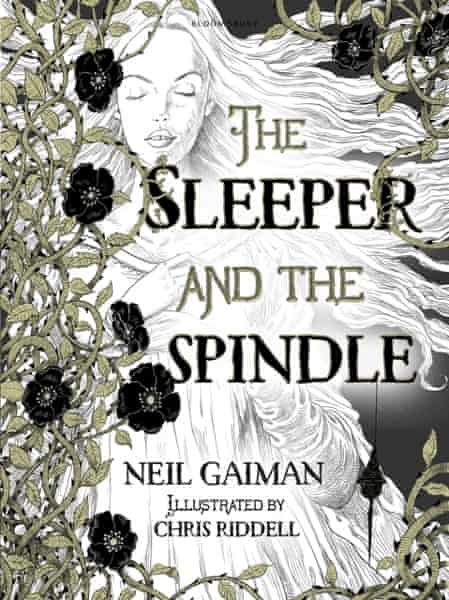
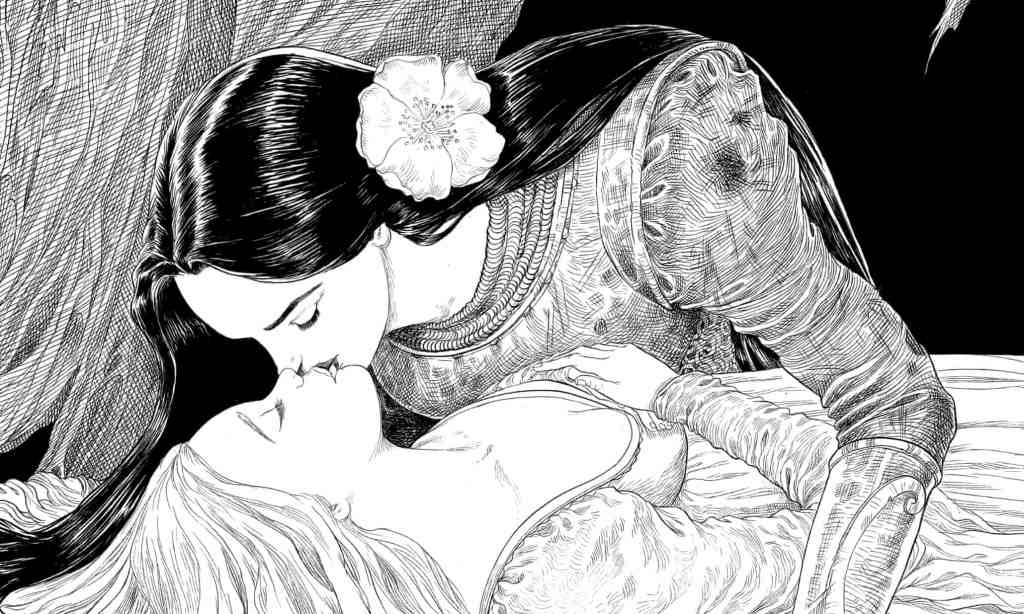
Riddell draws in pencil, inks over the lines with a brush and then adds colour, often blue and yellow, last Rustin, S. (2014) “I’m not a painter by any stretch of the imagination; I’m a dyed-in-the-wool traditional illustrator, and I begin with black and white. If I need colour, I add it over the top. There’s a calligraphic element to it … it’s about the texture of lines on the page.” The hectic schedule for The Pied Piper persuaded him to try a pastel pencil; occasionally he uses an art pen for very fine lines, “though I don’t like using them, because they’ve got a mechanical-looking line; the lovely thing about a paintbrush is its fluidity, it gives a lyrical quality”. The Guardian 19/12/2014. At: https://www.theguardian.com/books/2014/dec/19/chris-riddell-illustrator-neil-gaiman-jk-rowling-russell-brand-books-interview (Accessed 11/09/2020). I really love his graphic style and limited use of colour. He also tends to distort certain elements of his drawings as seen in Fig 7. with the cow that has been drawn with bulky muscles and bowed legs to show that the cow has been worked a lot and is now at the end of its use perhaps and is miserable and fed up. His limited use of colour is also used just where needed to make things stang out or elements to sink back as he has done so in Fig 7. to add depth to the image by placing black towards the back of the image.

Once I had done my research, I chose my artists. I selected two of my previous visuals to work on. The artists I chose were Claire Rollett and TS Spookytooth.

I had started my research with very traditional artists and as my search continued a came across Claire Rollett. Her work stood out from the other artists as it was something quite different that she does. She works with collage by using a photograph of a character and then drawing the background as a line drawing in ink. She uses a loose, sketchy, medium weight line style. From analysing the work I can see that she then adds colour digitally. This results in some really striking images. Sometimes these have colour. Sometimes they are just black and white, however the colour she does use is just in strategic places and never on the whole image, which really helps draw your eye to the characters. After recently doing a collage workshop with the OCA. I am keen to investigate this area further and was another reason for selecting this artist. Roulette seems to place her characters off to one side of her composition, which seems to add interest and create more dynamic images. As seen in Fig 8. She does tend to enlarge her characters slightly in the frame, perhaps to put them into focus and have them as the focal point which would work very well, particularly as these images are intended as part an editorial clothing/style story.

TS Spookytooth’s style is completely different to Clare Rollett. He is an acrylic artist and creates illustrations for children. His colour palette is very rich and striking and I am in awe of his ability to create striking images that incorporate a lot of texture and contrast. He is also quite unusual and intriguing as I read that no one has ever met him in the flesh. He is also using a pseudo-name. Therefore, he is working as an illustrator with an air of mystery. For this reason however, I could not find any interviews or information on his work other than from his agents page. He is the artist I chose to start with as I really admire his work. He uses a lot of texture in his paintings and shading to create dynamic images that take your eye straight to a focal point in the image. His work is all cartoonish in style and not at all realistic. He distorts his figures quite a lot by using round, large heads and smaller bodies, He also tends to use dots for the eyes and adds very little in the way of realism to the face of his characters. In some of his paintings he does not use shading on the characters and will use block colours, such as their hair and clothing. However, this is not consistent across all of his work.

I decided to make a start by doing some tests and experiments in my watercolour sketchbook which I started a while back on the advice of my tutor. I decided to experiment with different techniques to work out how TS Spookytooth created the skies in his illustrations.

My Watercolour experiments.

I then went on to do further tests in watercolour and acrylic paint and ink to see if I could replicate the effects of Spookytooth’s work. I found the tests I did on watercolour paper were much more effective than those done directly in my sketchbook and none of those done in my sketchbook came out well.

A previous watercolour painting I had done this year for my Lisbon group project. I used this as reference when painting as the colours were vibrant and I liked the effects I had achieved with the tree and sky and wanted to try to replicate that, as it was also similar to Spookytooths in subtle ways.

I chose to do 2 pieces as I wanted to really see how the artists work would be different with different subject matter.

2nd attempt, this time with watercolour.

I decided to try watercolour as i knew it would be easier to get the type of effects I wanted. However the colours were too weak and the tree blended too well with the background. I do quite like the sky and grass otherwise. But I do not see any of my chosen artists’ styles in it.

Final piece

For my final piece (above) I used acrylic ink and then a brush pen to line in places. I did really struggle to strike a resemblance to Spookytooths work. I tried to use the colour palette from Fig 18. in both of my images to see how they translate. With my first attempt I tried to use the colour palette from Fig 10. however, this did not make sense with my visuals because of the activities of the characters. I feel that I have captured an essence of my chosen artist. I worked simultaneously on my two paintings, working on one part whilst the other was drying. Because of this, I made discoveries along the way and the two are quite different. Also working with more detail and on a smaller scale, such as in my painting below, made the techniques that much a harder to achieve the same results with. I am happier with my painting of the Girl under the tree than I am with the boy on his tricycle.

Once I had completed my first set of paintings I started on my next chosen artist which was Claire Rollett. I love her work as it is very different to what I would usually produce and very different from Spookytooth. I took the same two visuals as before and created artwork using the methods Rollett uses.

I had already uploaded my visual to my computer as a JPEG, therefore I just needed to remove the background and tidy it up. I then added layers to add colour and I used a stock image which was the closest to what my original drawing was.I could not find anything of a girl in the right pose, as initially I was going to try mesh two photos together to include the fox. In the end, I settled for the photo of the girl and her dog sleeping, which fit quite well into the style of Rollett as she tends to do editorial work and my visual was not editorial in style or design.

My final Image

For my final image i traced over the dog in photoshop so that it was similar to the way Rollett had composed her illustration as in Fig 1. I was quite happy with this work. It is not as polished as Rollet’s work and my access to images were limited, however, it was a quick process and satisfying to work on. I think with more details/props in this scene, this would make a better image and I think the style worked much better with my second visual (below) as there was more going on in the scene. Which interesting was the opposite problem I had with Spookytooth’s style. Too much detail hindered the paintings with recreating his style.
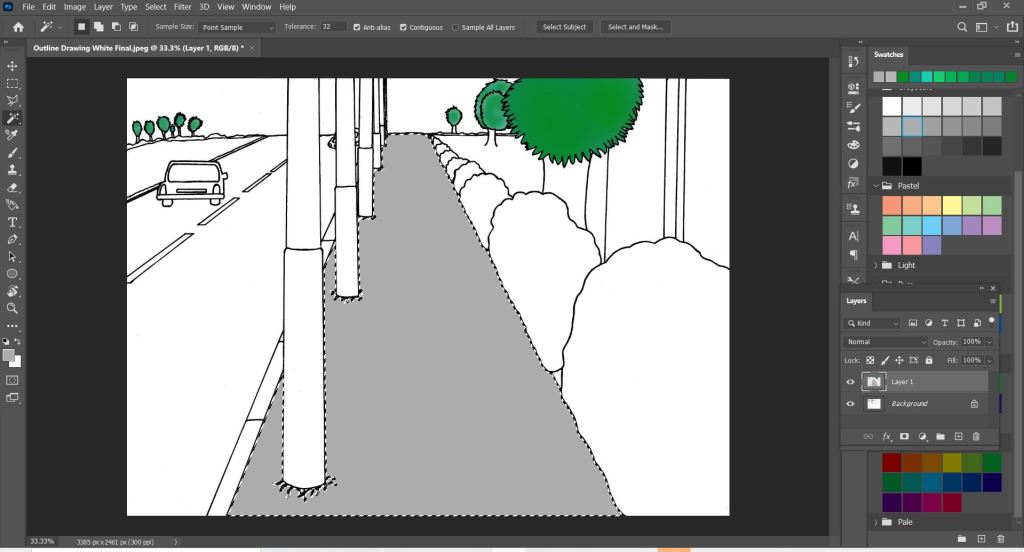
Work in progress.
My final Image.

I really liked this image, I think the level of detail works well to create an interesting scene. I could not find an image of a boy on a tricycle from the right angle to fit into my drawing, therefore I opted for this girl on a bike, which was a stock image. On reflection, I think that in order to make the image more interesting and give it more of a story I could add something like a snail to an object to the floor as it looks like the little girl could be looking at something and has stopped in her tracks. This would also make it more like Rollett’s work as she is telling a story with her images.I decided to add this in and am really happy that I did (see below), as it definetely does add a bit of interest and a story element.

Final image. Version 2.

Mediums sketchbook experimentation

On my feedback from our my second assignment from my tutor. She suggested that I start a few smaller sketchbooks for each medium so that I can explore painting techniques. Painting is something I am new to and I am learning through doing as I go along. However, I have no technical knowledge of how to paint. This is something that I have been meaning to learn more formally and I thought that my tutor’s suggestion would be really great for me.

Gouache

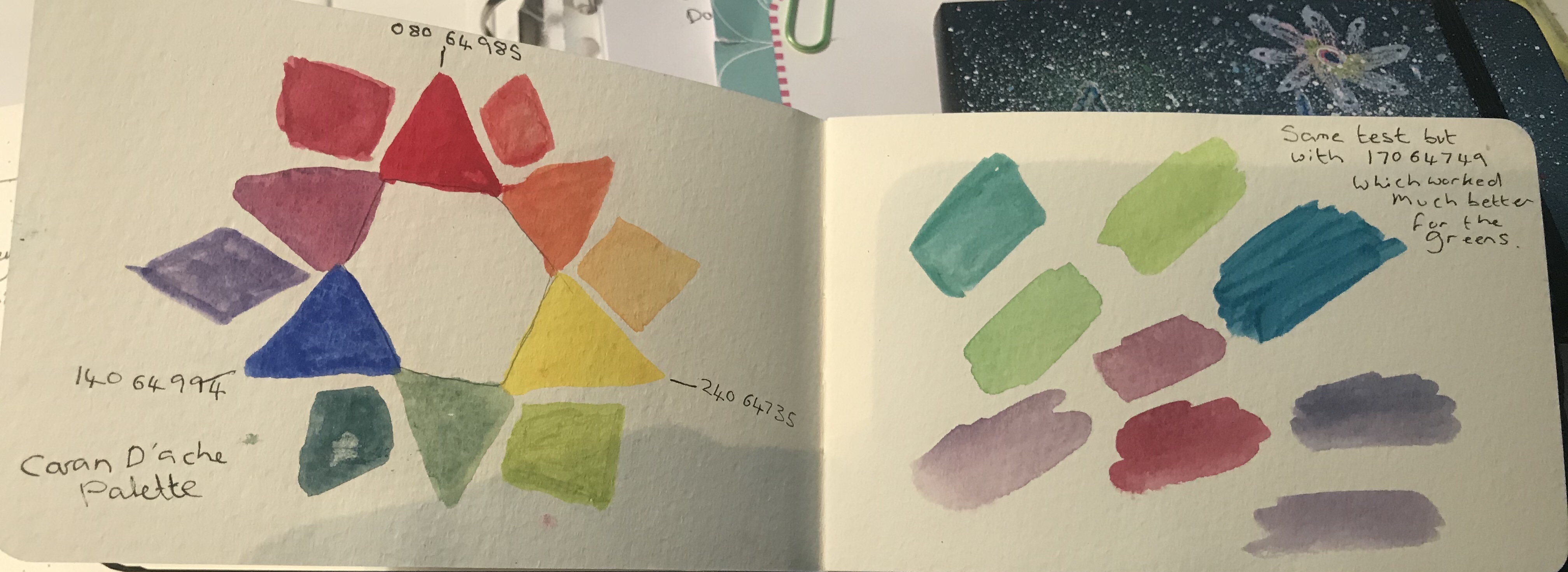
I purchased three A6 sketchbooks, one for gouache, one for acrylics and one for watercolour. I started by using the paints that I have, to paint colour wheels. I found a reference colour wheel online and used that to compare the colours that I was mixing. I tried to match the colour of the reference colour wheel each time, with each different set of paints. The reason for this was so that I could test the difference in the paints and see what happens when I try to mix same colours. I found that although some of the colours mixed as expected, when I mixed the secondary colours, the Greens did not always seem to come out as I had hoped. As the image below shows on the second page, I used the different blues and yellows that I had, to see how they mixed and whether I could match my reference colour will with those paints. Quite often these did mixed better.

Gouache
Acrylic
Acrylic

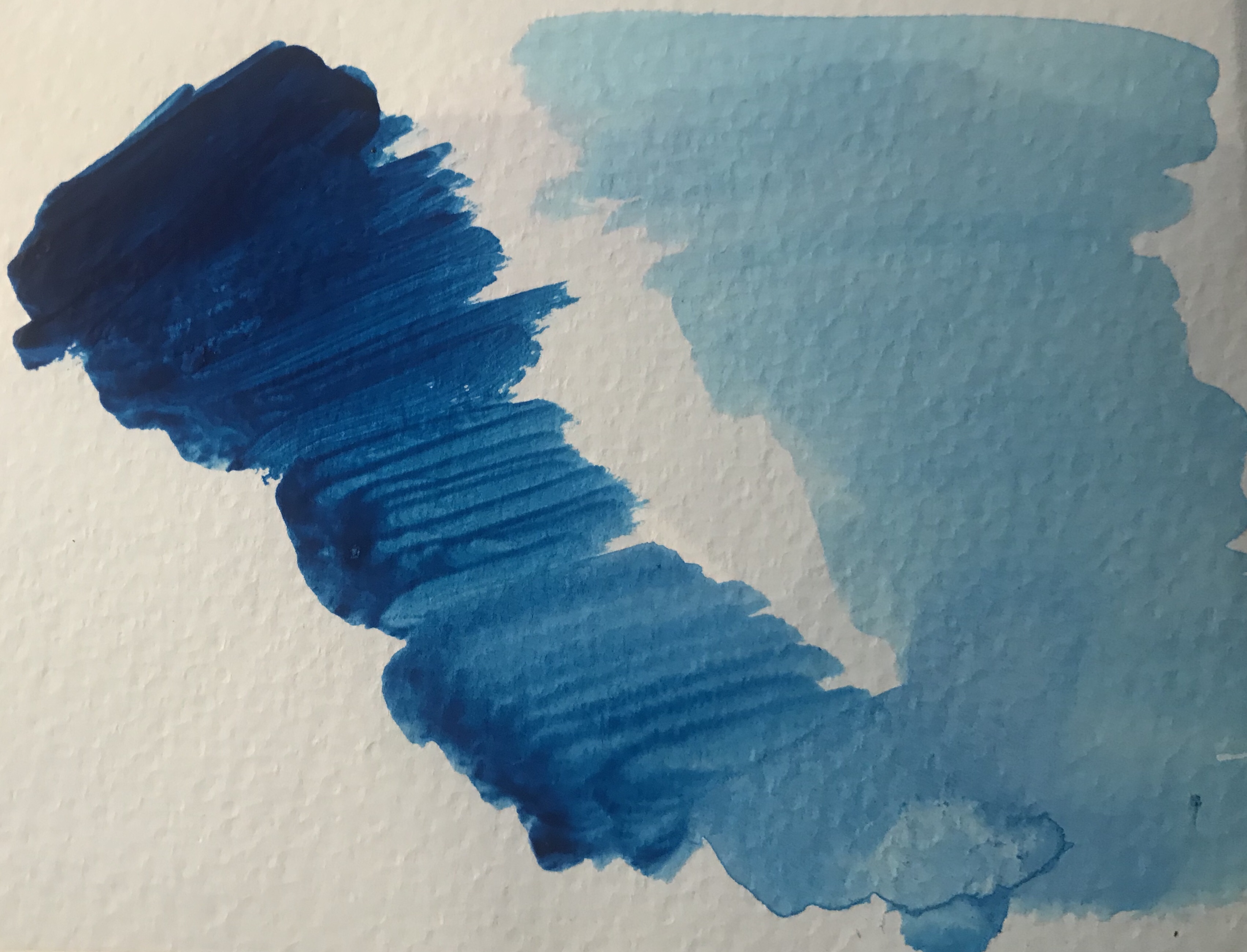
With the above image. I was testing the consistency of acrylic paint. I have successfully used acrylic inks. The however, I have not used acrylic paint before on paper. Acrylic paint is not something I’m used to and I was unsure as to what the consistency should be as I tend to see people painting rather heavily with this paint and not adding much or any water. Here I tested the acrylic paint neat and then gradually added a little more water until I got to a nice light wash. I really like the wash as the colour is very vibrant still and I like the way it looks on the textured paper.

With the image below. I was actually inspired by the paint marks on my kitchen-towel left from when I was doing my colour wheel. I liked the combination of colours together and also the overlapping lines. Therefore, I decided to use the leftover paint from my palate to experiment with, rather than wasting them. This was very therapeutic and pleasing to do. I like the way the colours overlap each other, but you can still see through them, almost as if this is glass or transparent plastic. This blue mark in the centre reminded me of a stained glass window.

Acrylic
Acrylic
Watercolour
Watercolour

After a recommendation from a friend. I got the book ‘If you’re bored with watercolour, read this book’ by Veronica Ballart Lilja. In this book. The author shares techniques on how to create textured paper. I had heard before that you can use salt on your watercolours and it soaks up some of the paint, leaving patterns underneath. It was also suggested in this book, so I thought I would give it a go. For this one I used table salt because at the time it was all I had. I thought that perhaps this would not work as well, as it would give me just small particles of salt. Therefore, I assumed a very even pattern would be left behind. However, as you can see, this is not the case. On some parts of the painting, it did just stick to the page and did not create much paint lift. On other parts of the page, it created striking patterns, as in the top right red. I really loved this section and feel like I can see an ostrich in that splodge. I was quite struck by how different every patch came out. There seemed to be no repeating pattern happening and I wonder what conditions each patch of paint was in at the time I added the salt, and whether I could replicate the effect easily. I imagine that this is affected by how wet the paint is at the time of adding the salt, how thick the paint is and perhaps even some colours may react differently to the salt. These are things that I intend to explore further, as well as trying this again using rock salt both whole and partially crushed to see what effect that has.

I have enjoyed my experimentation so far and endeavour to keep adding and experimenting in these sketchbooks.

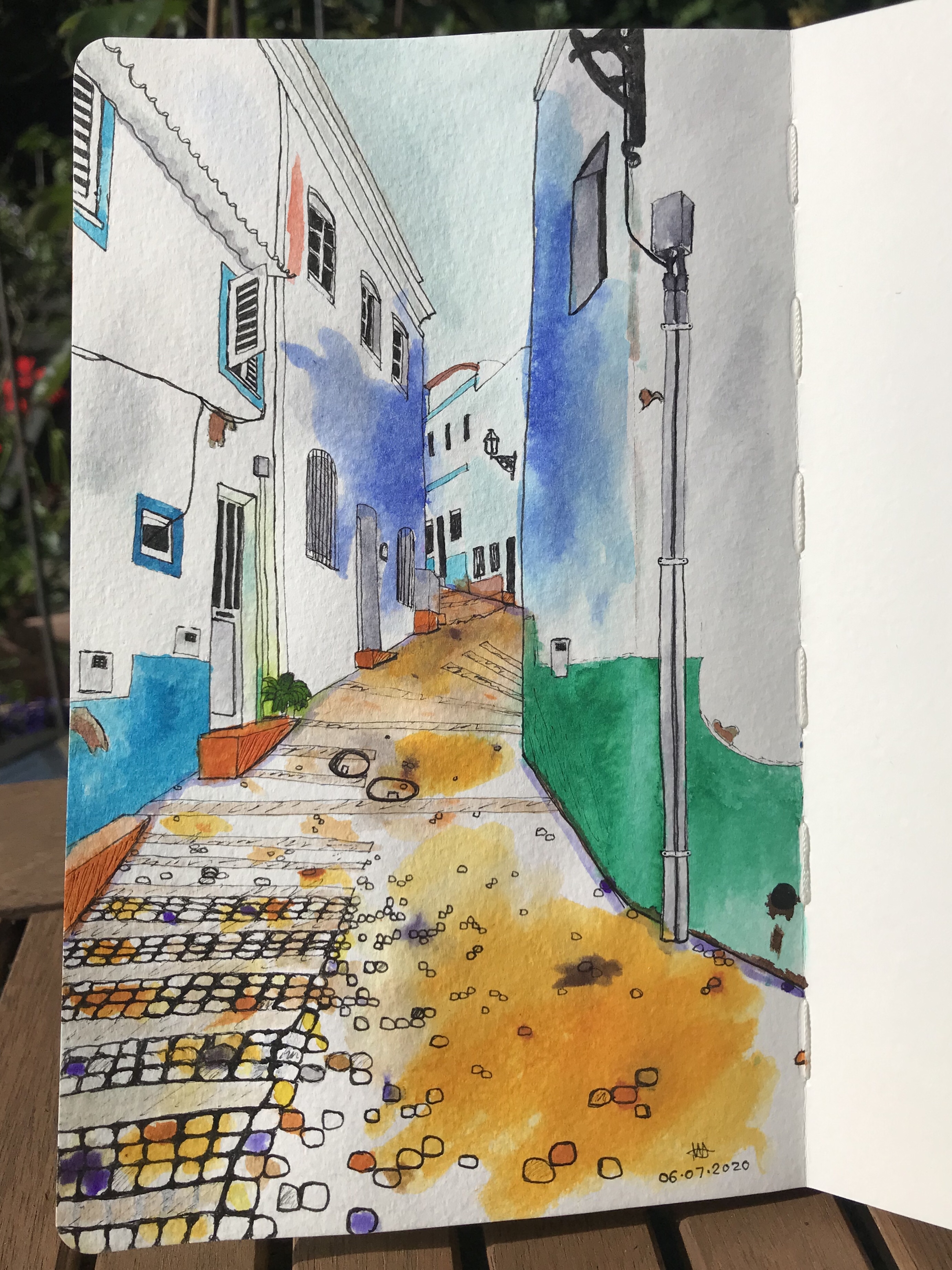
A painting I did in gouache – I really love this painting, but i didn’t plan how I was going to do the floor very well and I realised after starting, that I couldn’t draw every stone. The floor also seems to slope down towards the right, which was not intentional. The floor was meant to veer around to the right and continue up hill evenly on both sides.
Another gouache painting of a Lizard that I rescued from the cat in the garden. I took a few photos before releasing him. Detail drawn with ink. It was very tiring drawing all the scales, and I realise that next time I should do the scales slowly over a number of days or use a technique where I am not drawing every scale, as my scales do not graduate into each other well. I also discovered an easier way half way through, which made it much quicker, but then the scales did not match up with my first batch. I am going to finish painting this one regardless for practice and also because this is in my sketch journal.

Lisbon group collaboration project

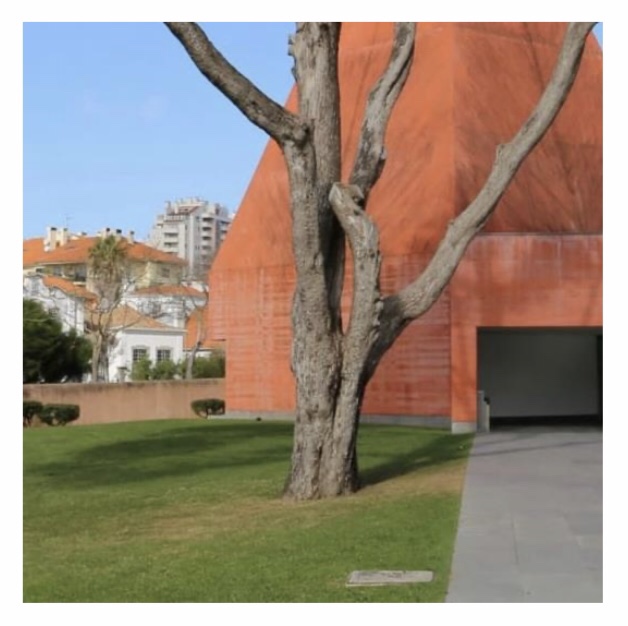
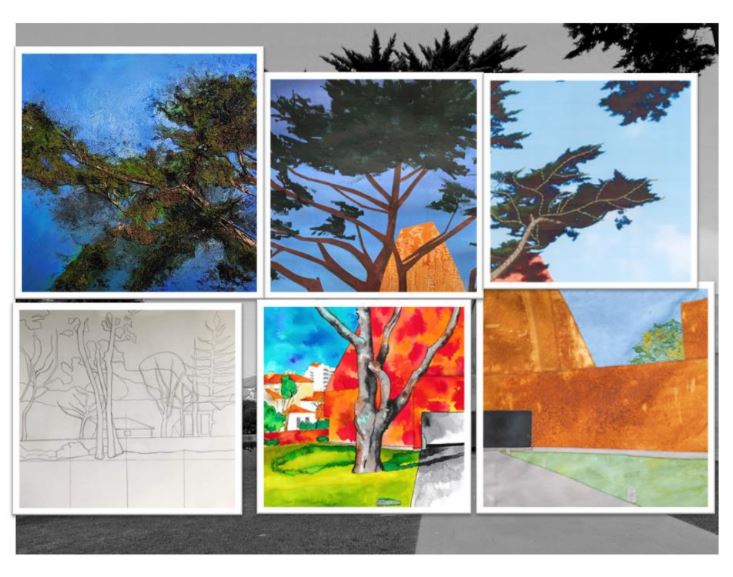
I recently participated in a group collaboration project with 6 of my fellow students from the Lisbon trip. This was led by one of the students, Martine Elliott by one of the students. For this group project. We took a photo that was taken during a Lisbon trip of the Paula Rego Museum and divided this into six sections. We each picked a section with the idea that we each used whichever mediums we wanted to recreate the tile that we were given. Once we had all completed our sections. These were then handed back to the student leading the project, who then pieced them together to create one piece of work.

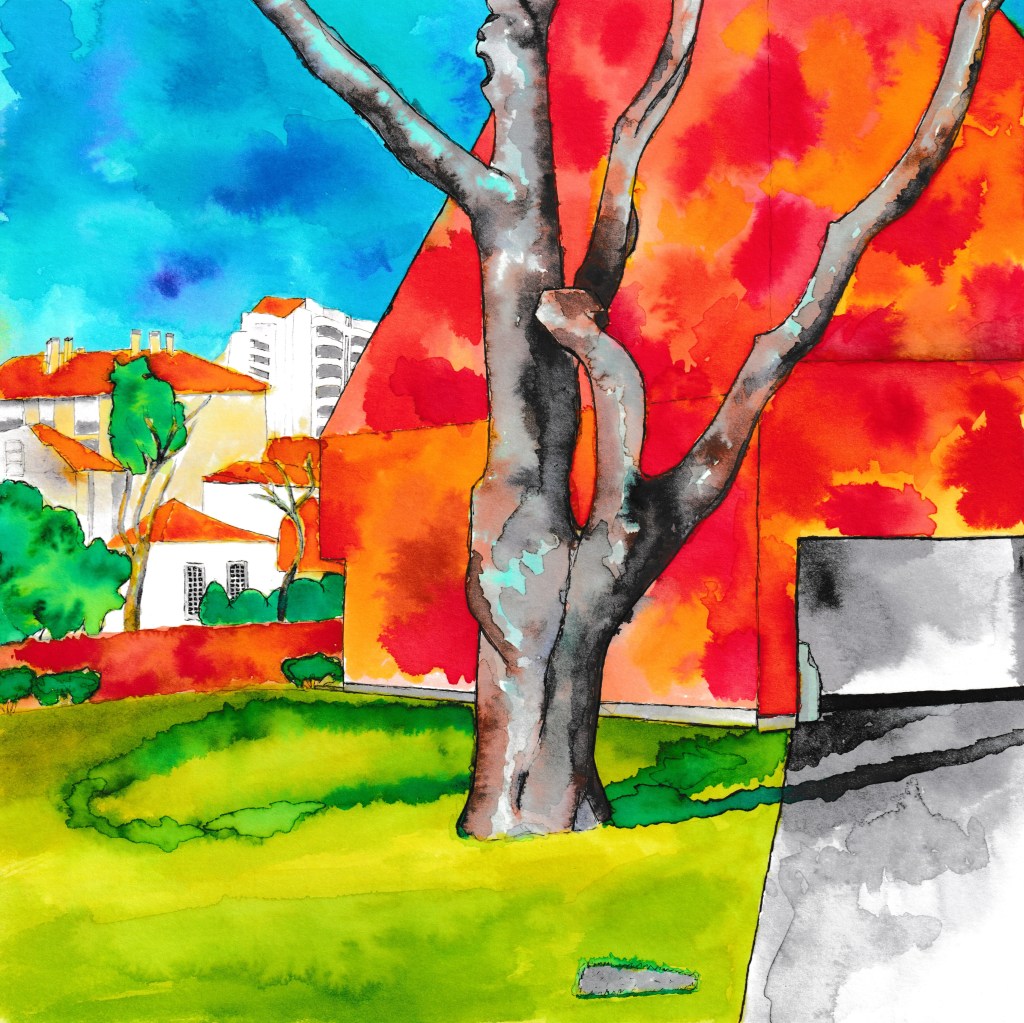
My Final Piece

I really enjoyed doing this collaborative project, partly due to not feeling any pressure for it to be good, as it was not going to be marked and was purely for fun. I therefore decided to take what I had learnt in Lisbon from my tutors and fellow students and apply that to this painting. One of the things I mentioned in Lisbon, is that I have not been very explorative in my artwork. I wanted to set myself the task of pushing my boundaries and pushing myself out of my comfort zone. Whilst in Lisbon, we experimented as a group with India ink and made a big old mess! This was really fun and made me realise that sometimes I need to experiment and to do artwork that I do not need to take so seriously.

My arrival back from Lisbon was timed perfectly with my mark making project for key steps, part two. Inspired by Lisbon, I completed my mark making project and then did this group collaboration. For this painting. I used ‘Viviva Colorsheets’ to paint with which are described as super vivid, transparent watercolours. They come in a paper pad rather than paint in pots which is very handy for carrying around when on location. I found these colours to be extremely bold and bright and was inspired by these to create the colour palette that I did.

Once I had finished my painting. I was not so sure about the building and wondered if I should have painted it all one shade, so that the sky and the tree stood out more. However, now that I look back at this painting. I do not feel so overwhelmed by the brightness of the building and I do see the other elements in the painting as competing. This was very enjoyable to make and these are definitely techniques, I would also like to try again, perhaps on other assignments. I particularly liked the technique for the sky and I really liked the tree which was my main focus, with my plan being to incorporate blues into the highlights, as opposed to using more realistic colours. This did not take me much time to complete, I think this is partly due to me not being so precious with it.

I choose this part of the grid as it was the most interesting to me, due to it having varied subjects i.e. buildings, tree, hedges.

My grid selection
The original photo of the Paula Rego Museum
The Finished Grid

Due to the success of the grid collaboration. We are now embarking on a second collaboration project led by one of the other students in the group. I am looking forward to participating in this next collaboration project.

Assignment two: Point of Sale Display

The brief for this assignment was to create images which will be used within a campaign for a supermarket to package and promote a range of seasonal foods.

We had to create an illustration of fruit or vegetables. One illustration for each of the ranges; summer and autumn.

These images were to be objective and based upon direct observation. The brief asked us to consider putting ourselves in the place of the customer and asking, ‘does this look edible?’, ‘Would I like to eat it?’ They asked us to be especially conscious of the way we use colour to describe tone, shadow and surface marks as poor colour choices can result in good-looking, mouldy, battered or ultimately unappetising.

I considered these questions and remember reading or hearing about this topic before with making sure that colour and texture are considered in food illustration to make sure look appetising.

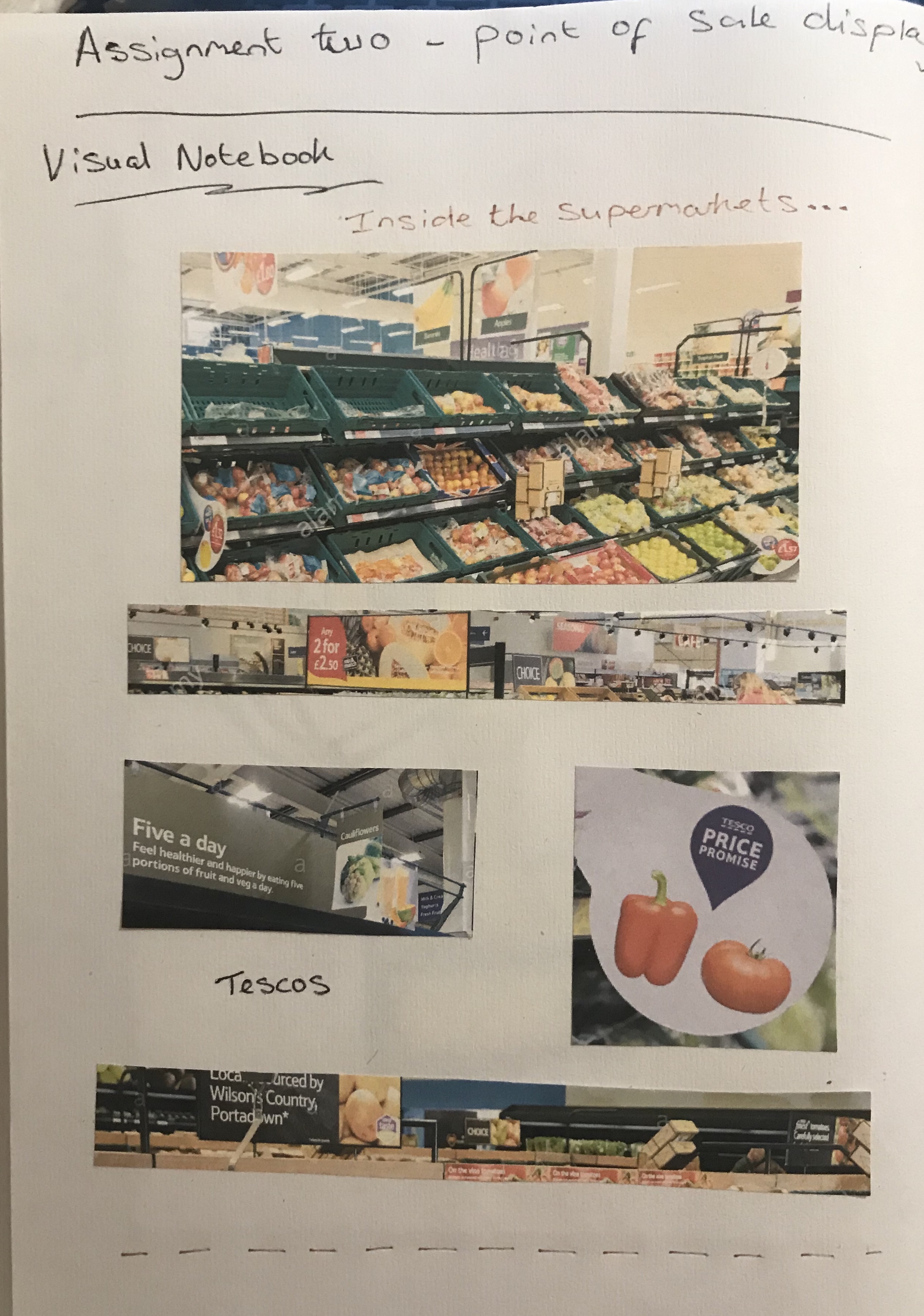
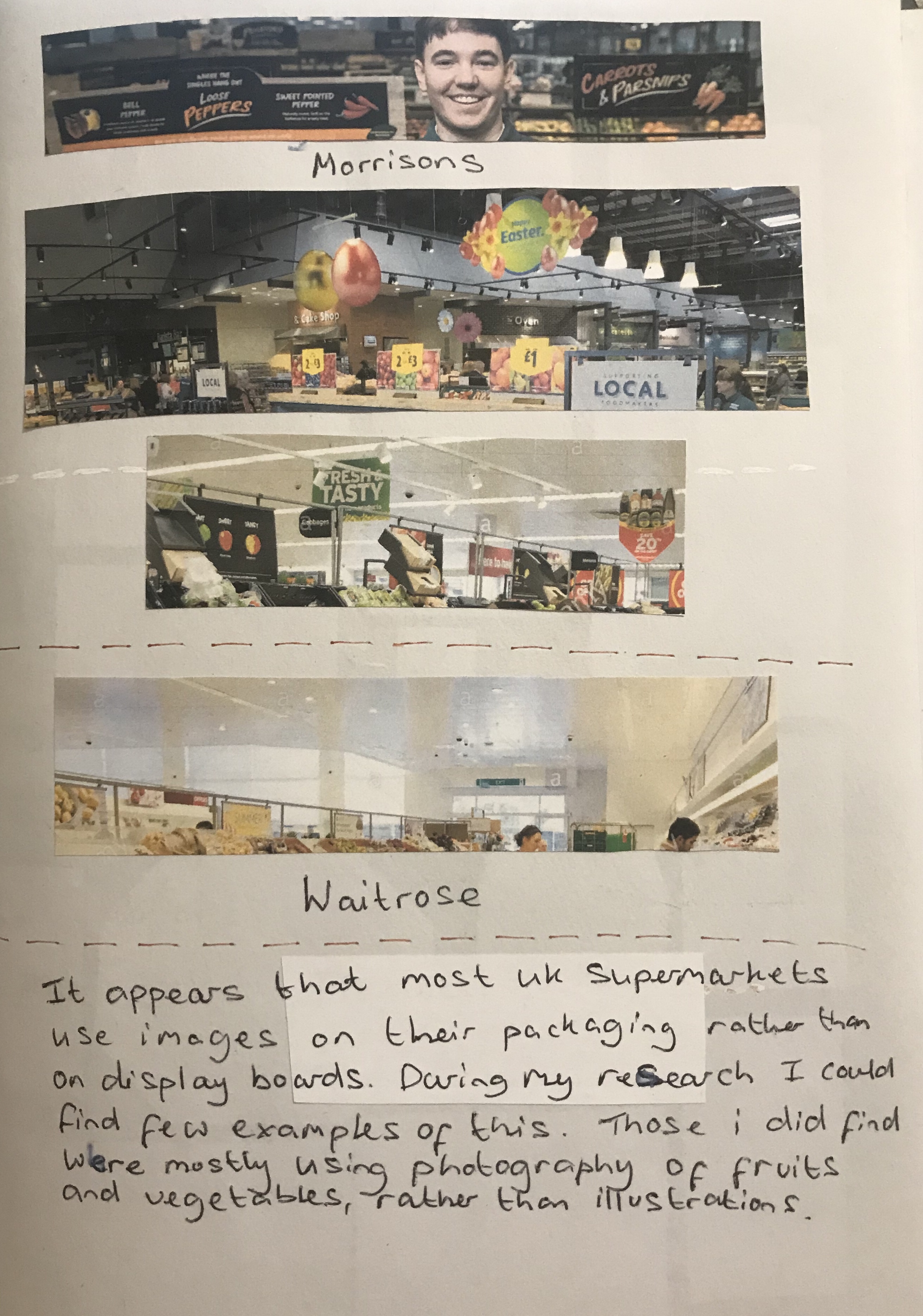
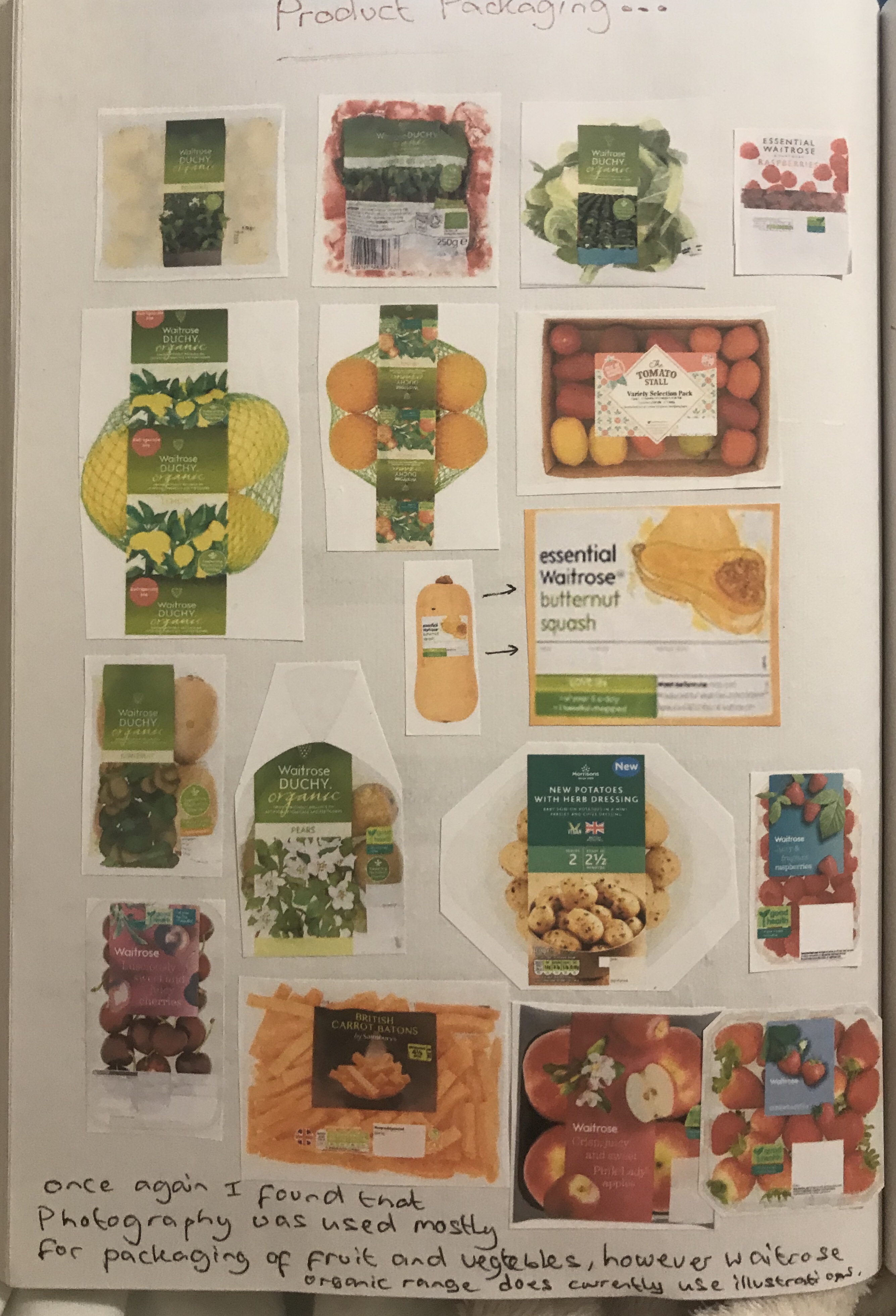
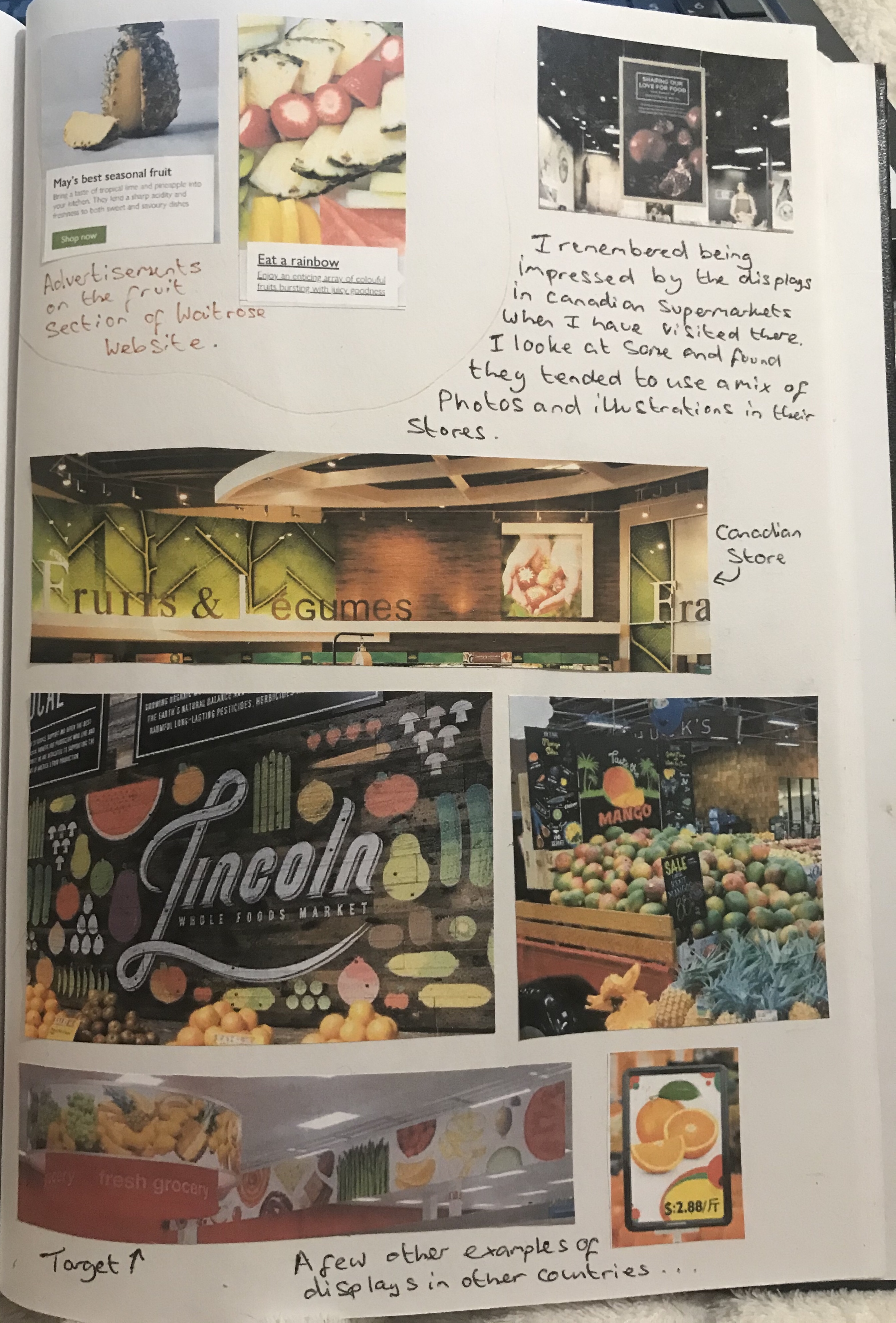
With a visual notebook and used the Internet to find photographs from inside supermarkets. I would have gone to visit some stores, but due to Covid this was not going to be practical and I was definitely not able to take photographs in store. I did struggle to find examples of display boards and illustrations on fruit and veg packaging in the supermarkets. Partly this was due to the fact that most of the supermarkets actually use photographs rather than illustrations for their display boards and illustrations in hand display boards are generally used for other items in store and other sections more than the fruit and veg aisles.

I did however find a few examples and found that Waitrose in particular does use illustrations on the packaging and I looked at the artist’s work on her agents website which showed these illustrations. The majority of examples of more elaborate display boards using illustration, I actually found in other countries such as Canada and America.

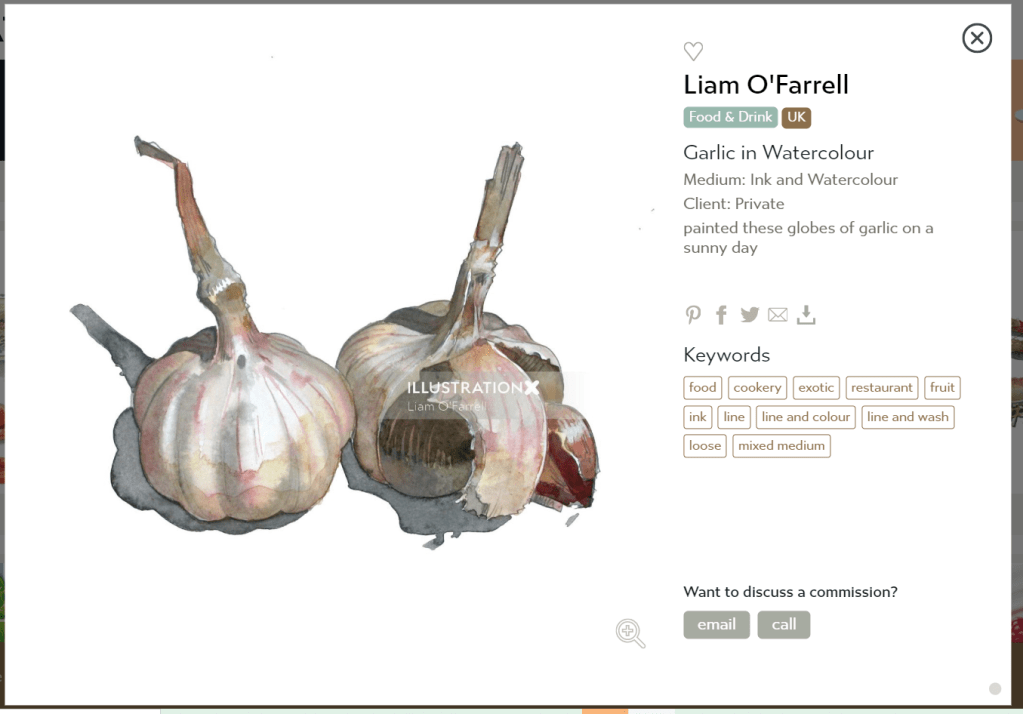
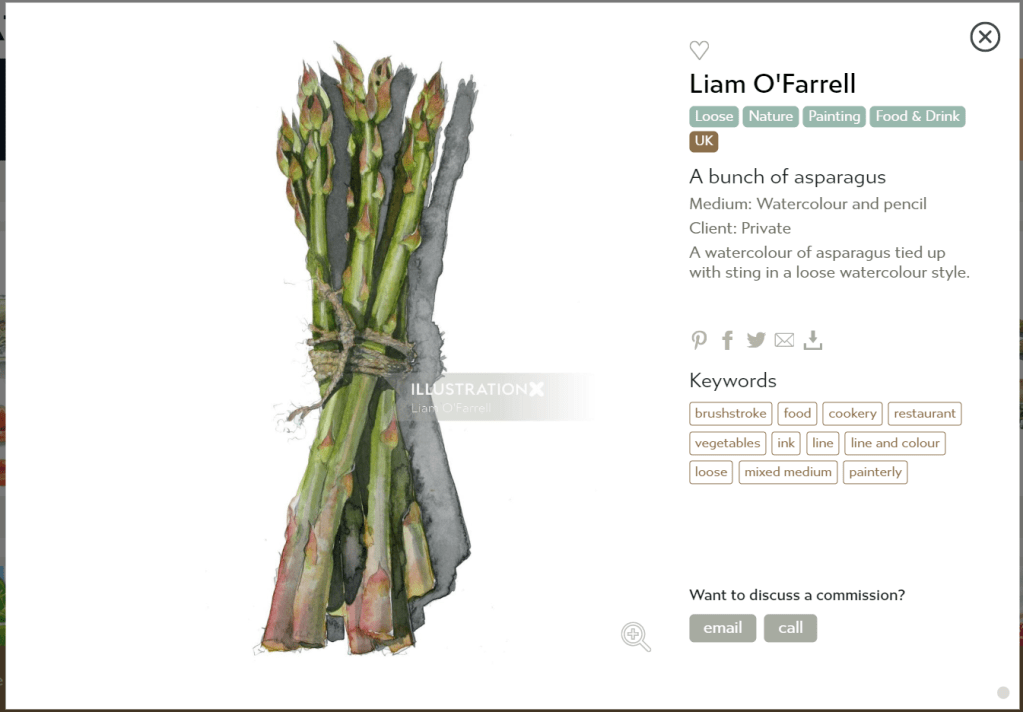
I looked at food illustrators work and found varying styles, some of which I did not like so much and some of which I really loved such as Liz Pepperell. Her colour palette is really rich and I love the way she makes food look tasty, particularly the one she did with the orange pieces that look really juicy. Another artist’s work that I loved is Liam O’Farrell. I really love the colour palette uses and the style of his illustrations. They remind me of another artist named Holly Exley that I have seen do food illustration, amongst other types of illustration. She tends to use lots of blues and purples in her shading, so her images are not realistic, but the colour palette is very beautiful and interesting.

I had a go at copying a couple of the artists illustrations or illustration style. However, this did not go well. I found it extremely difficult to decipher what it was they were doing with their paint and realised it was better that I did not try this and just tried my own being inspired by their colour pallets rather than trying to use too much of their styles.

My failed attempt at studies of the artists work.

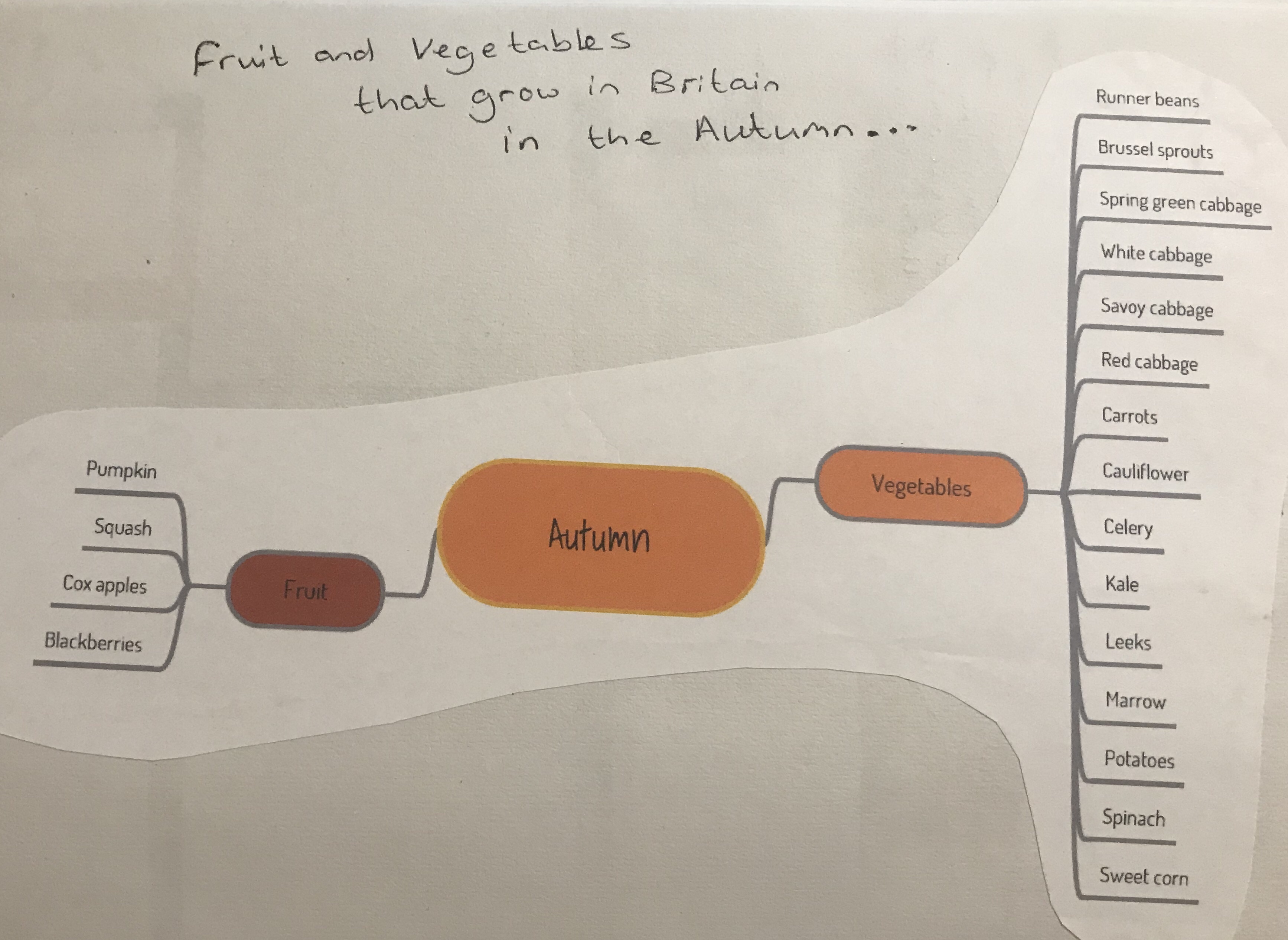
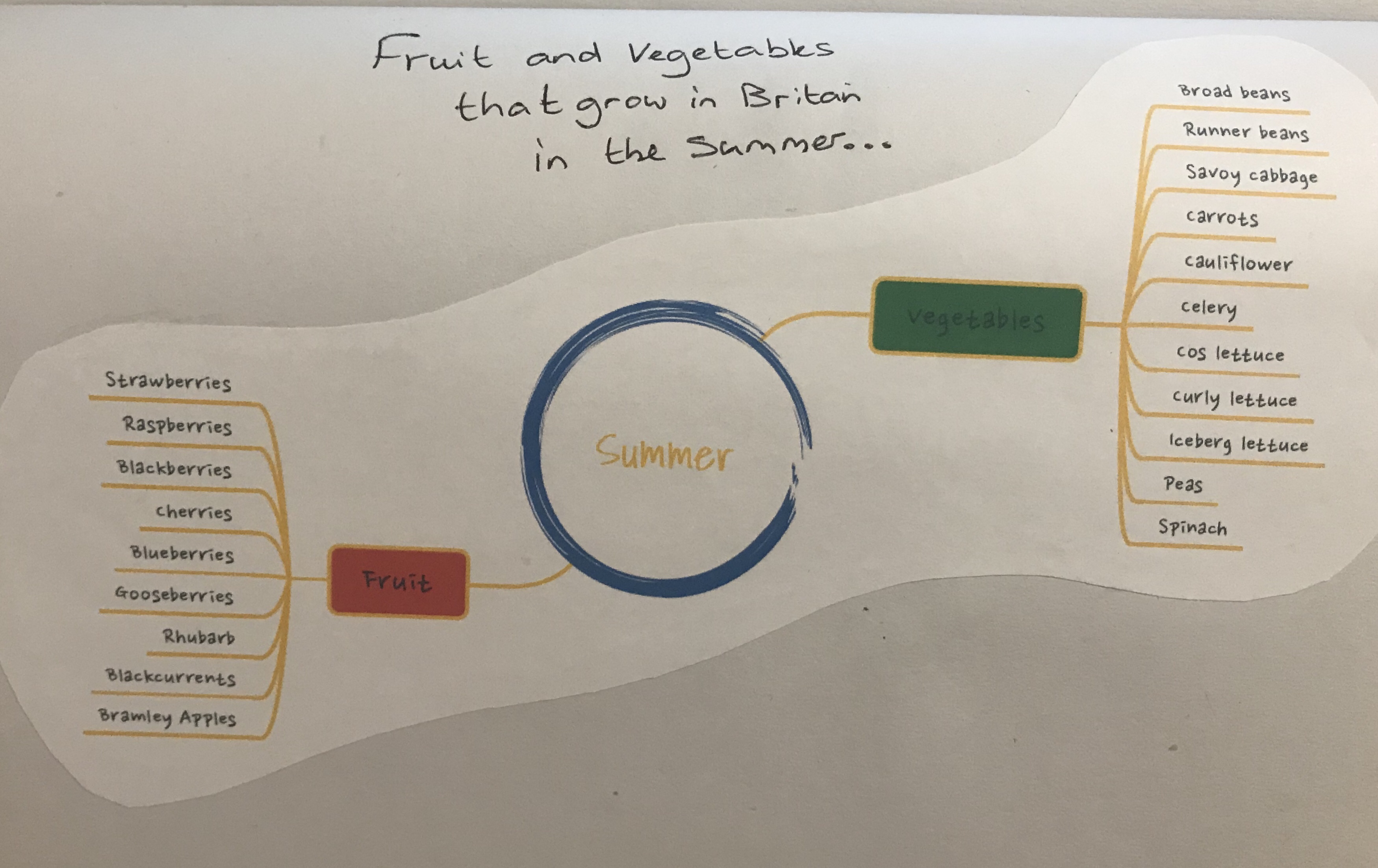
I did some mind maps of both autumn and summer fruits and vegetables to find out what grows in Britain during each season. From this I selected the fruits and vegetables to include in my mood board. I decided to go with summer fruits and autumn vegetables. This is because the autumn fruits list is a little sparse, whereas the autumn vegetable list is very long and therefore it made more sense to do it that way round. I was also quite keen to do fruit for my summer illustration.

Moodboard for Summer Fruit
Moodboard for Autumn Vegetables
My tests of painting autumn vegetables – Watercolour and Gouache.

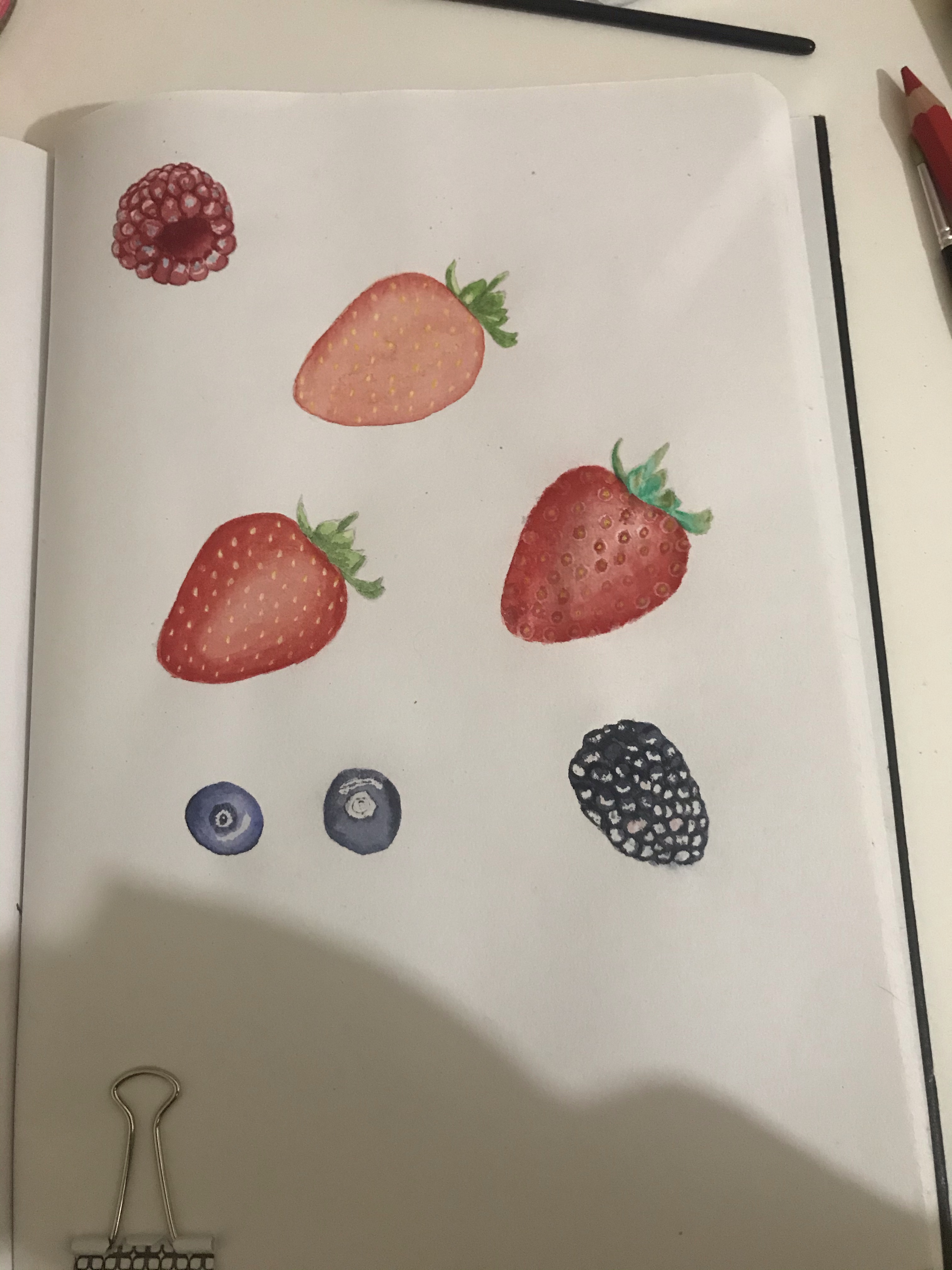
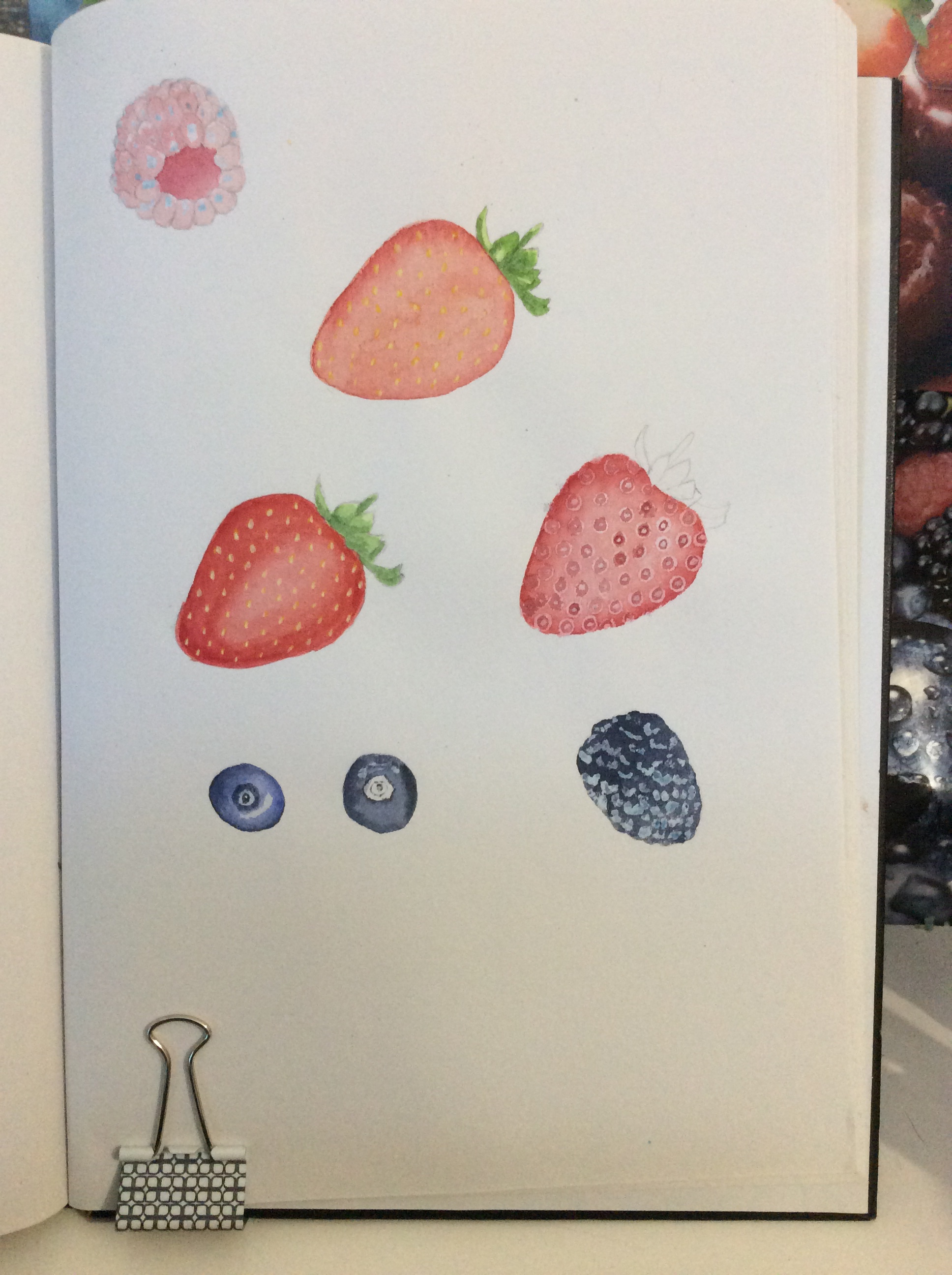
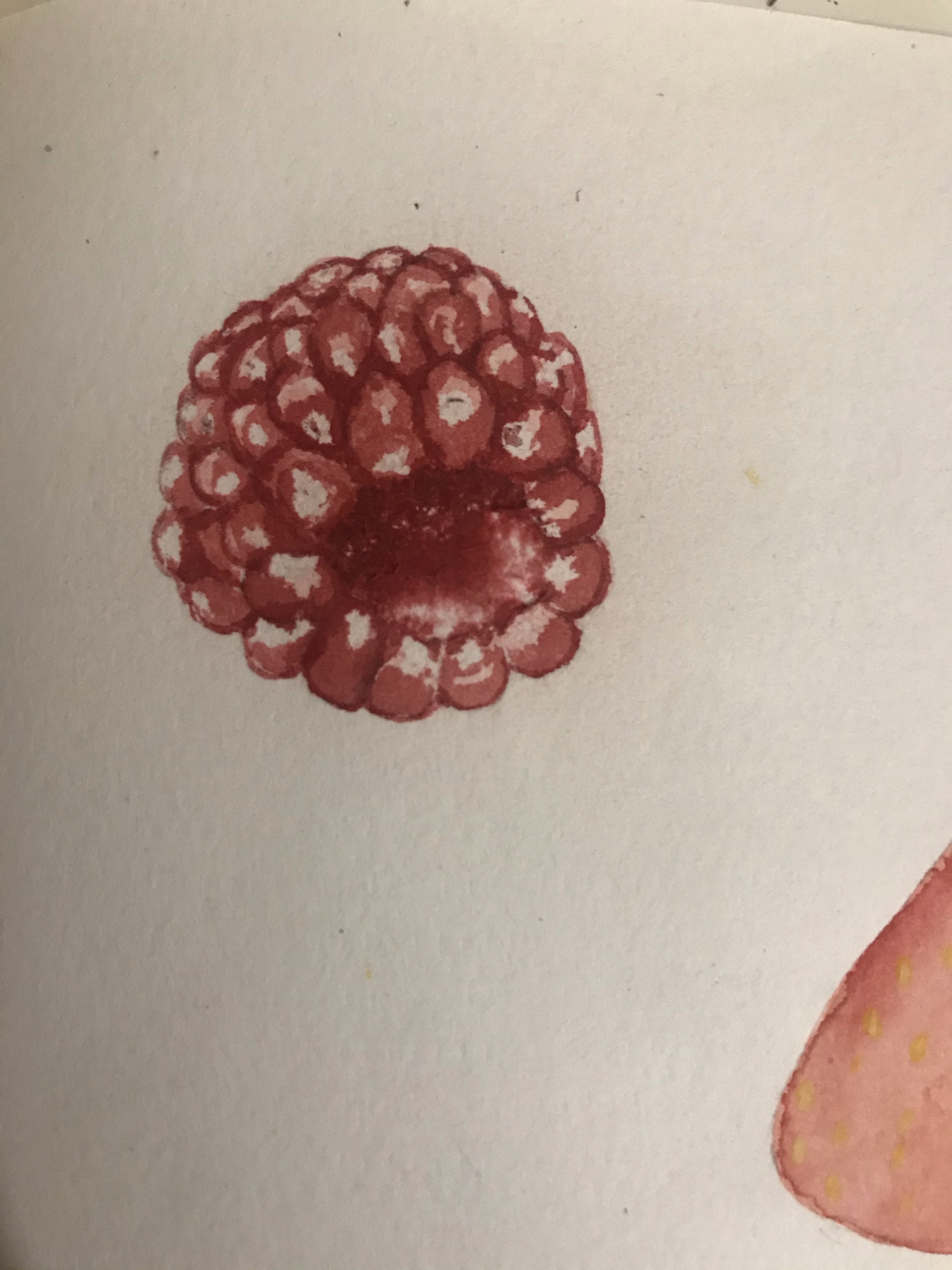
My test paintings of the autumn vegetables went quite well. I was happy with how they came out. I participated in a group session with OCA tutor Bee Willey and after showing her these images and discussing with her. She suggested that I work a lot larger so that I am able to create fine details easier and also to try acrylic inks to paint as I mentioned that I was concerned with watercolour and gouache that it will sometimes struggle to get the paint colours as bright as I want them to be. I said that I do have a tendency to work very small and that this is a habit that I would like to get out of, but also that I really would like to experiment with working on a bigger scale to see how that affects my work. For my test paintings. I used masking fluid on some of them to keep the highlights and then painted over the top. I did a few different versions of the strawberries until I found one I liked the look of. However, I did quite like my Rasberry, but I wasn’t sure about how strong the highlights were. I decided that I would work on a large scale for my final piece, so I would not use masking fluid. I would just leave out the highlights.

Small test painting with FW acrylic inks.

I have acrylic inks in my supplies, but I have only used them to paint on a very small scale. I hadn’t considered them as an option for this project until it was mentioned by Bee. I therefore did a small test with them before I started painting my final piece, and I found them to paint very smoothly and will easily blendable. After my test I was very happy with how it looked and was now confident that acrylic inks would work for my painting.

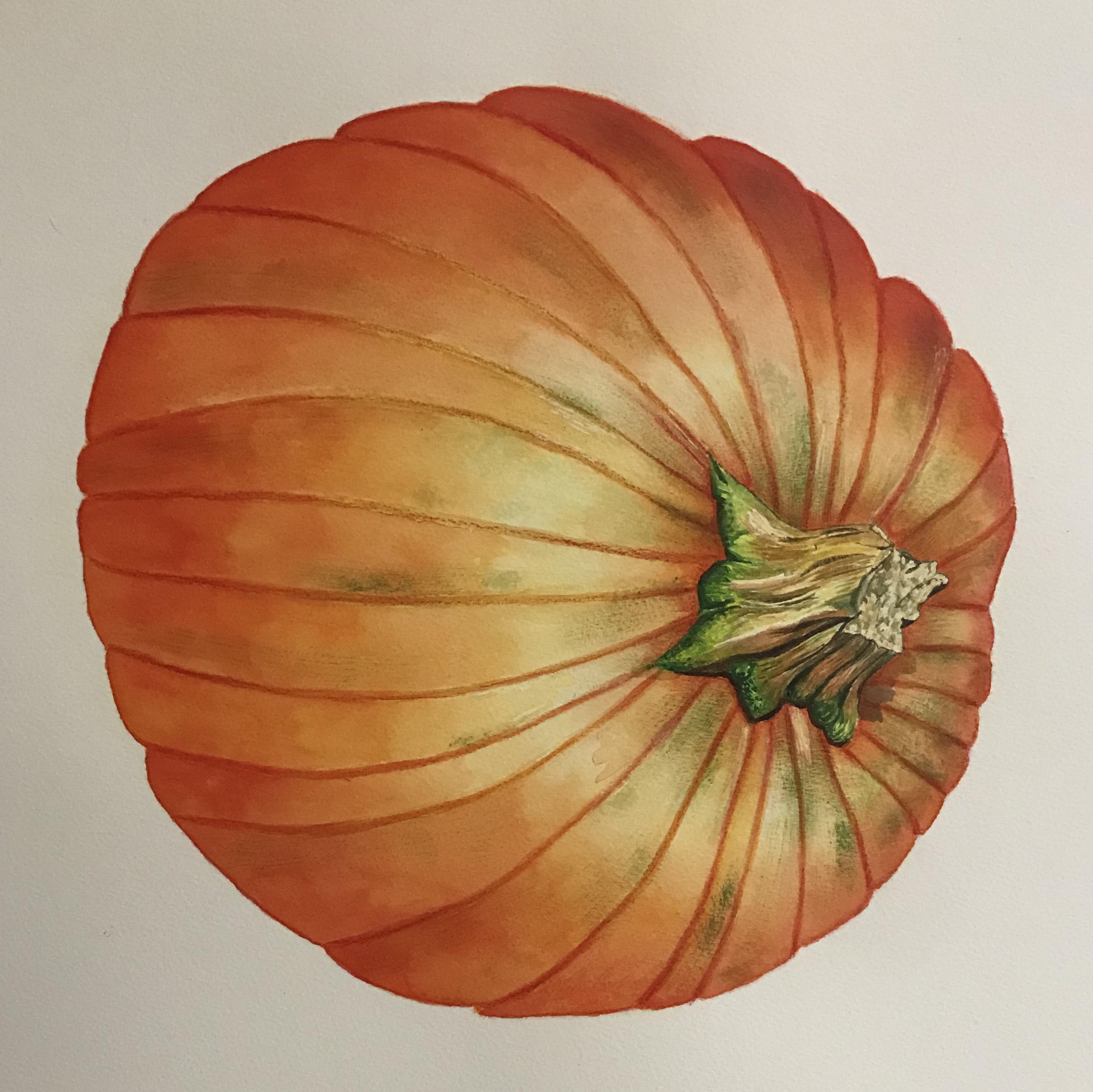
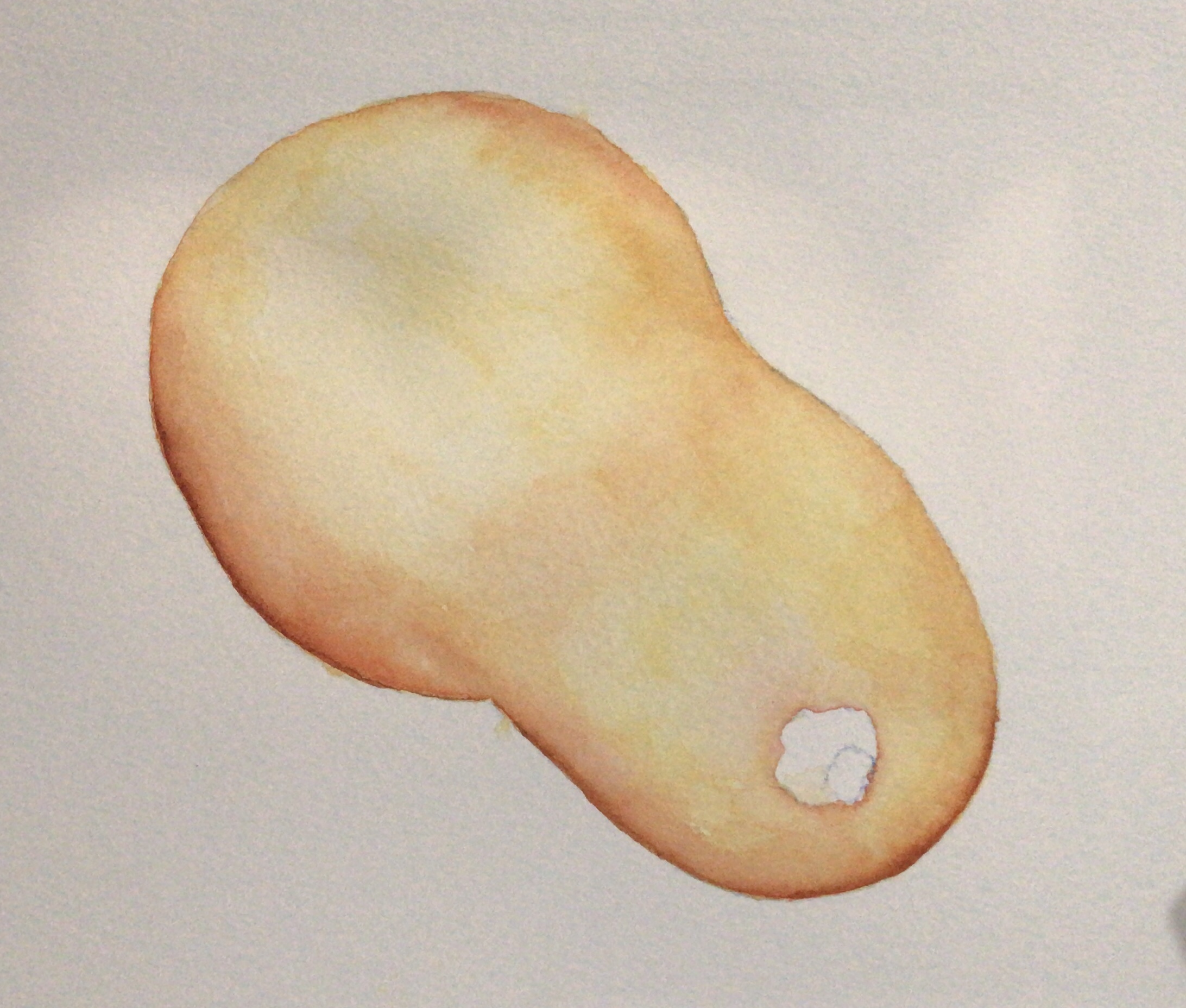
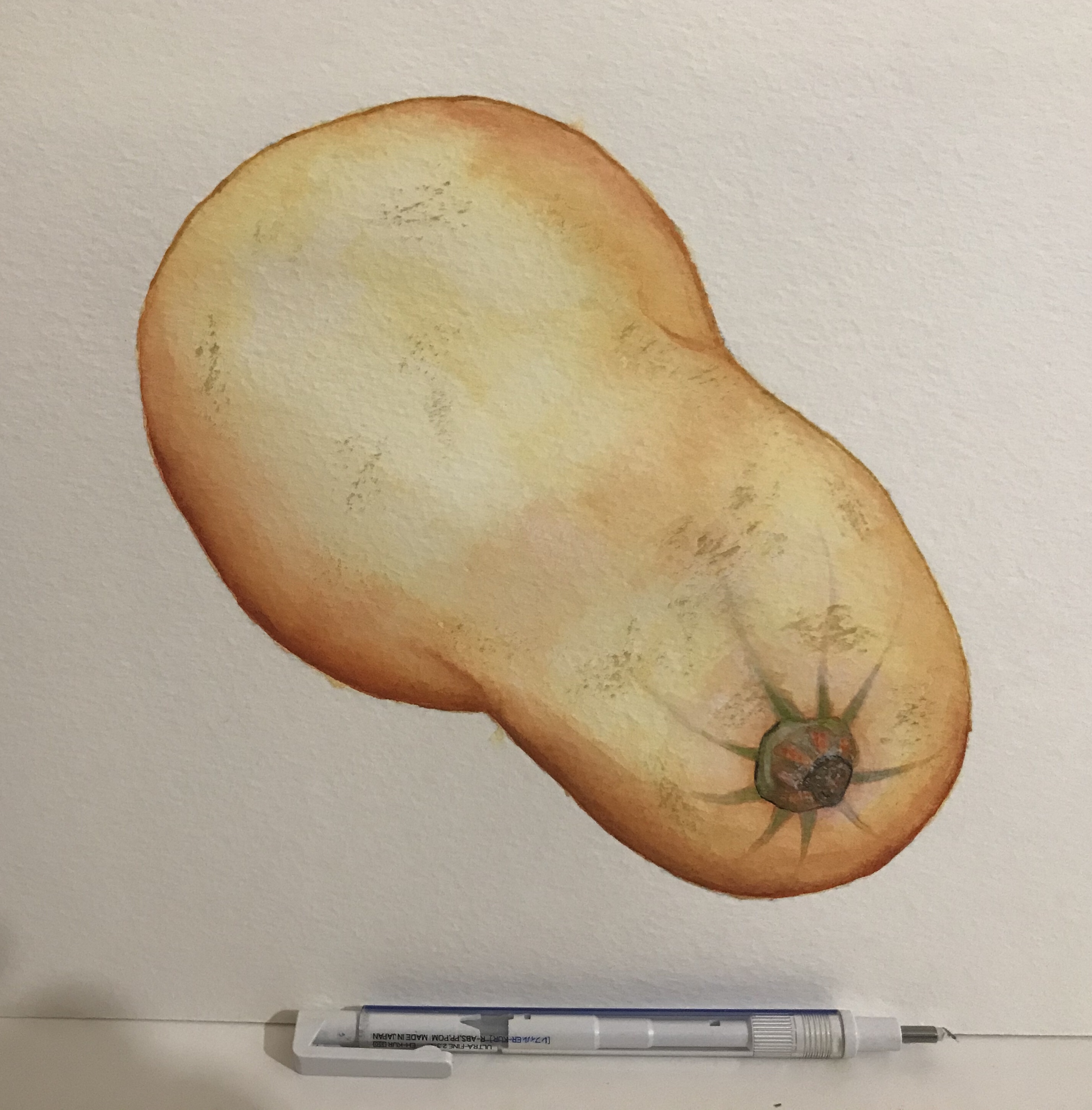
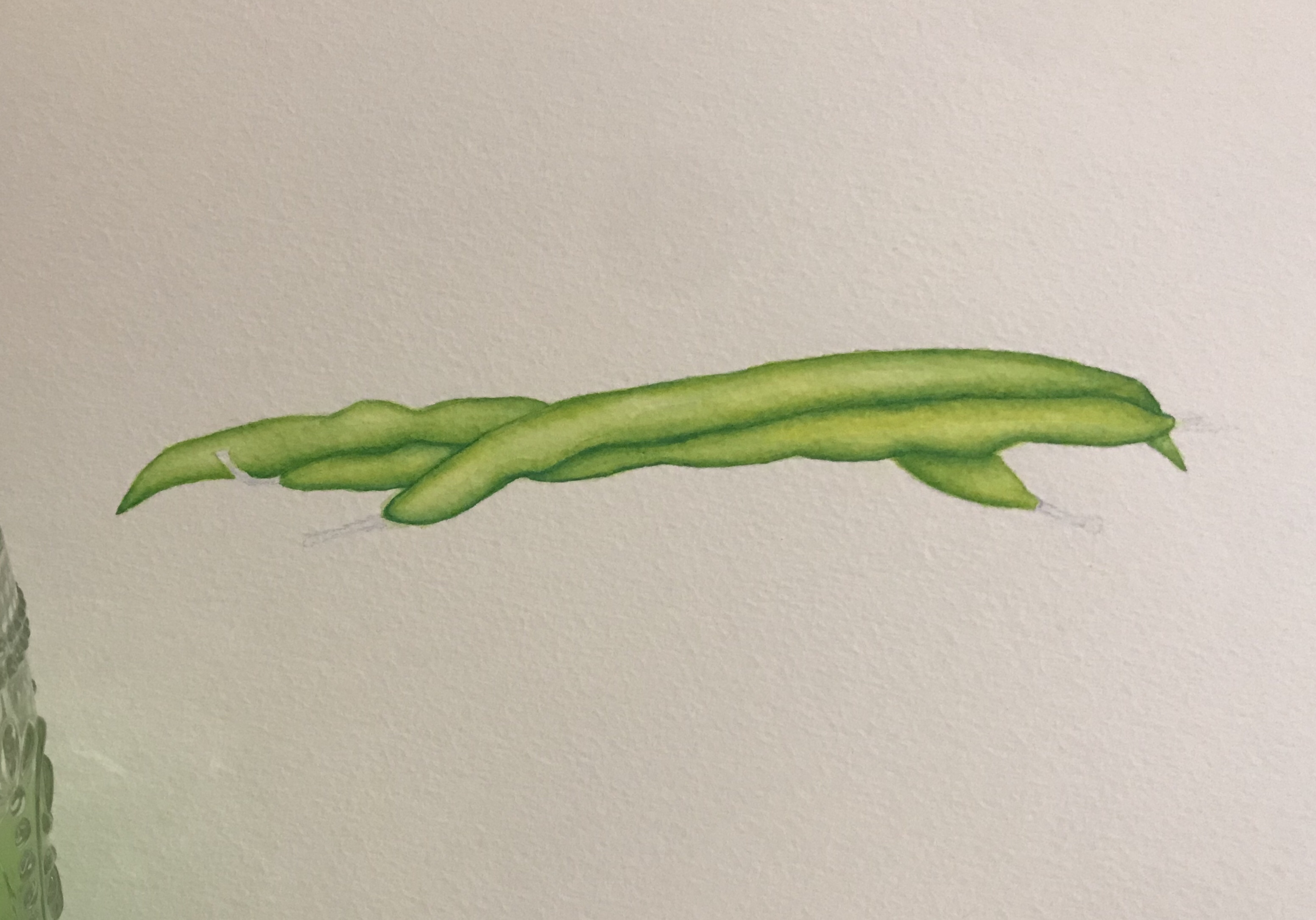
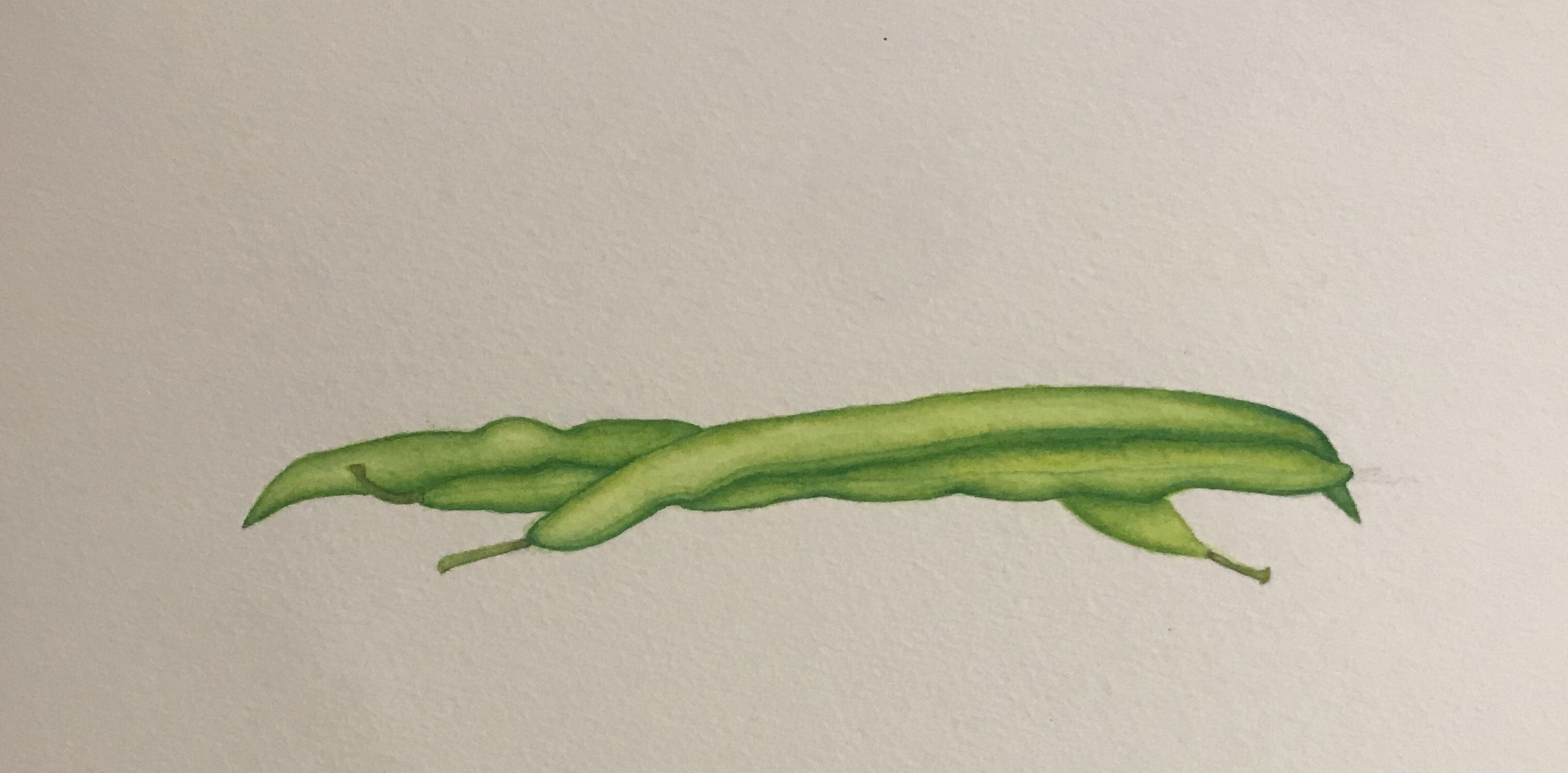
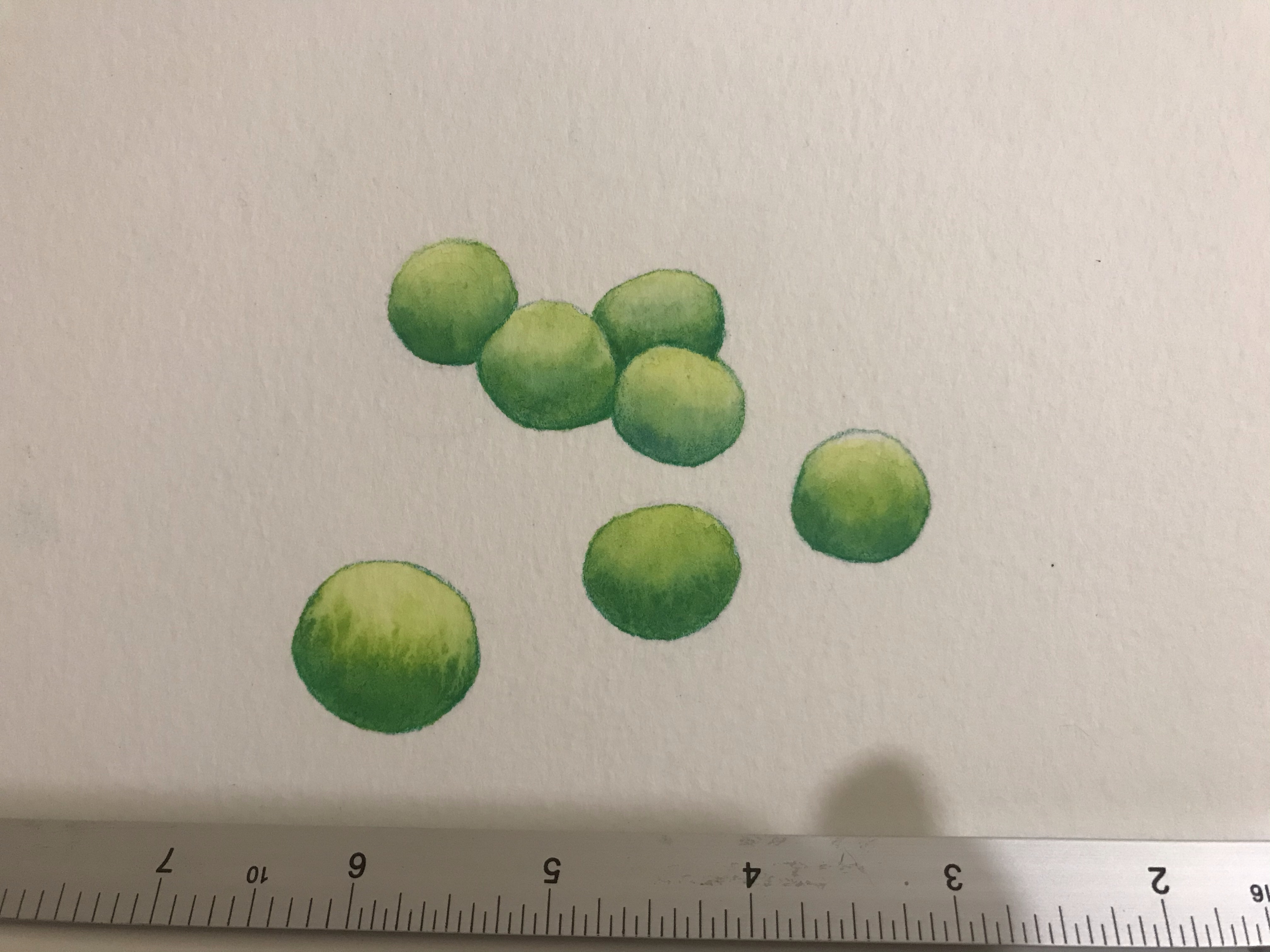
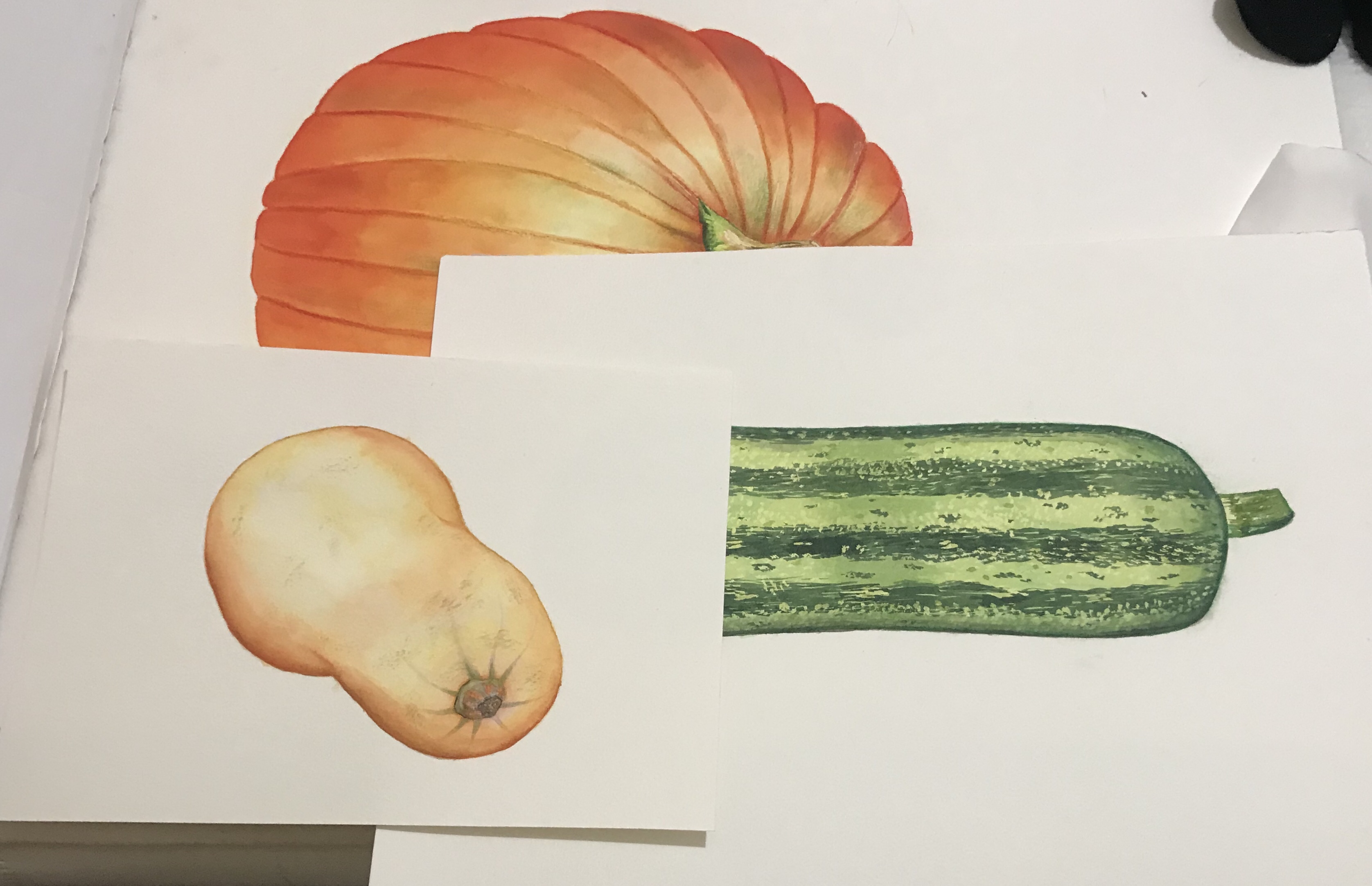
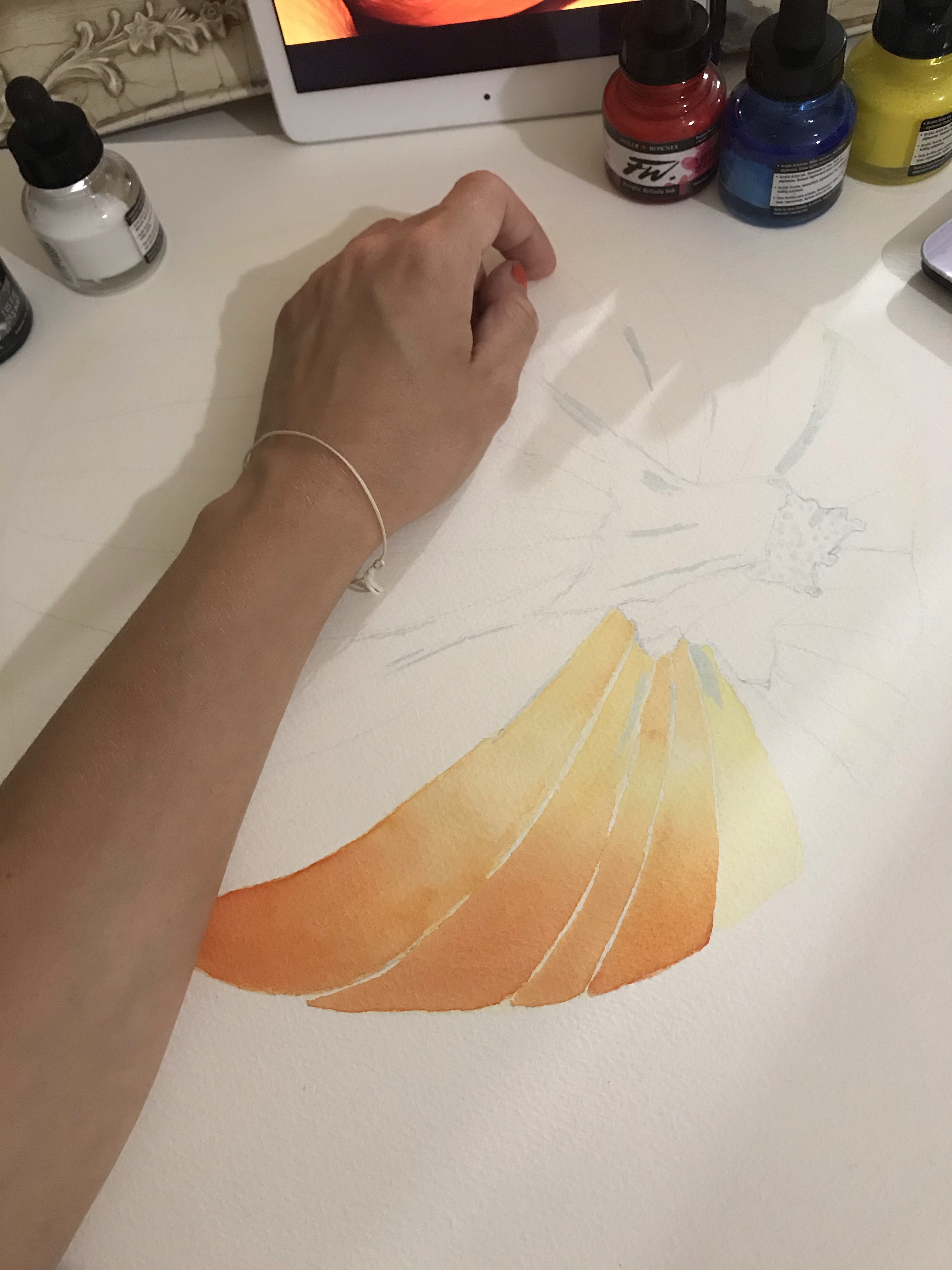
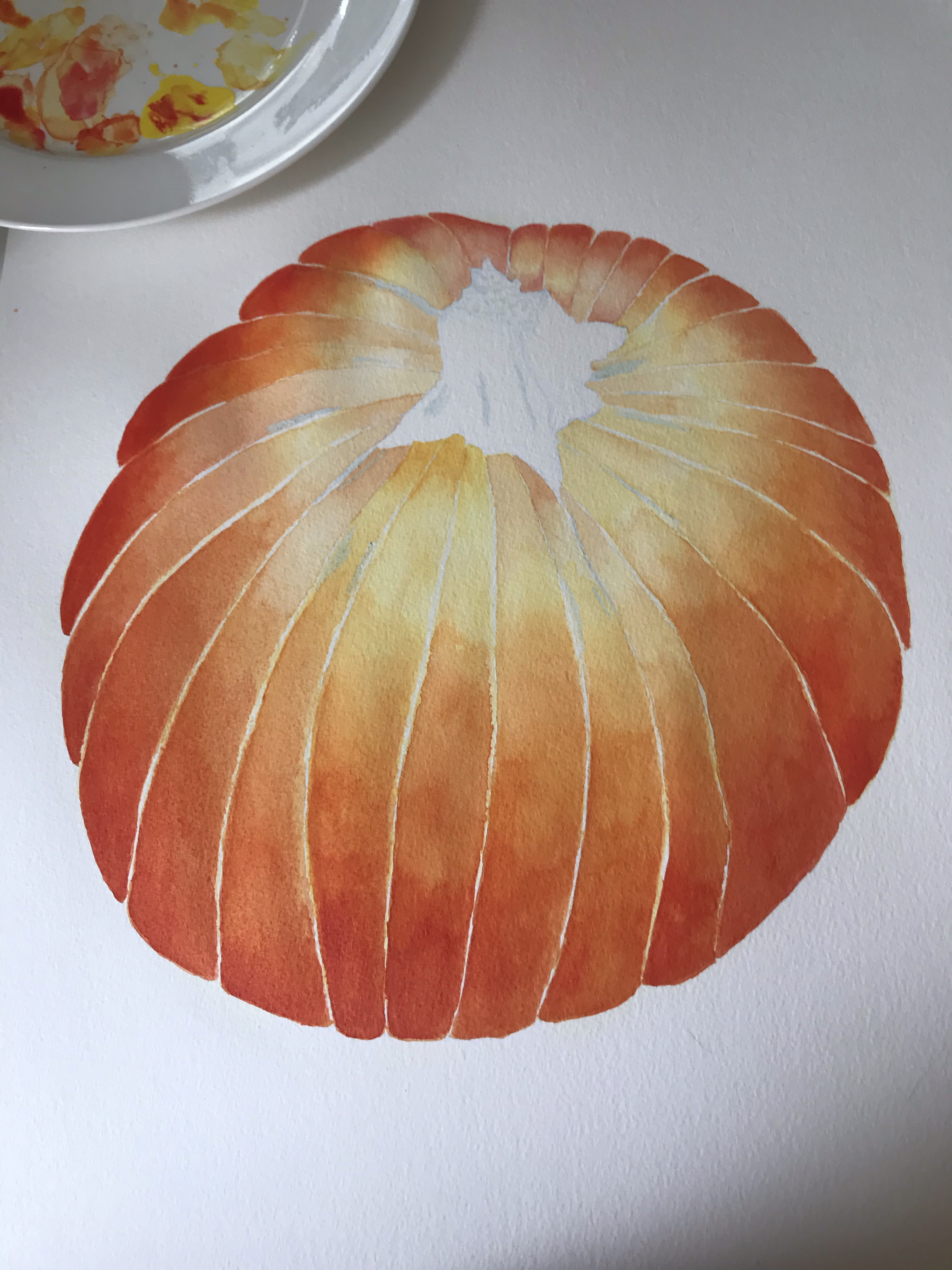
I decided to work on each vegetable as an individual painting rather than altogether, so that I could work on a larger scale and because if I was to make a mistake on one of them. I would be able to redo them without having to redo all of them. I only had to redo one of them, which was the butternut squash that was because I was not happy with how it was coming out and messed up with the shading. This resulted in the image looking muddy and the shading harsh and not blended well. This took quite a long time to paint, but I did enjoy painting them. I was happy with how they turned out, especially as apart from my practice pieces. This was the first time I’ve ever painted vegetables and I was using acrylic inks, which are not particularly familiar with. I do really like the vibrant colours and was sure to not use black unless I really had to, to darken the colour so that they did not become muddy and caused the food to look mouldy or unappetising.

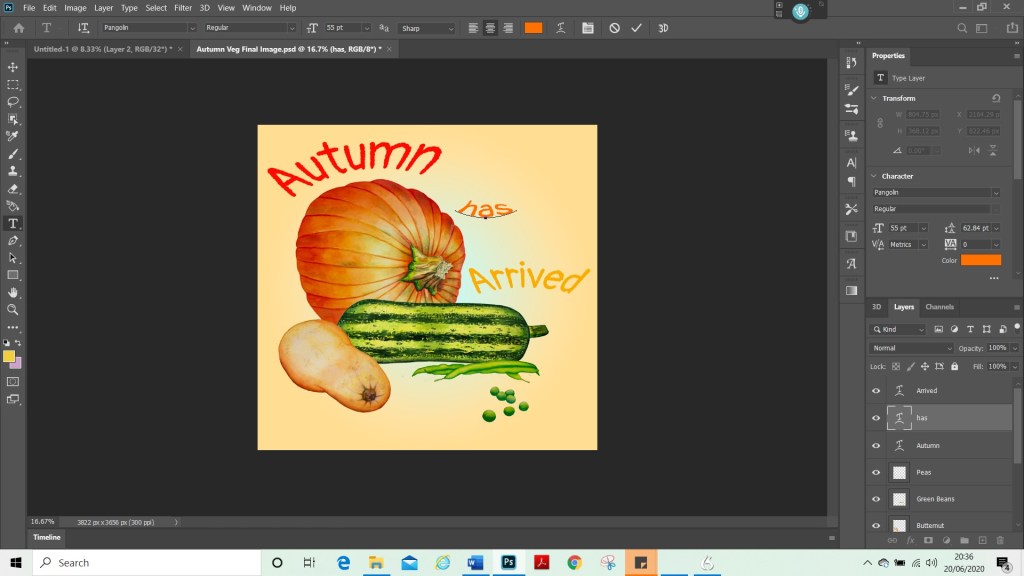
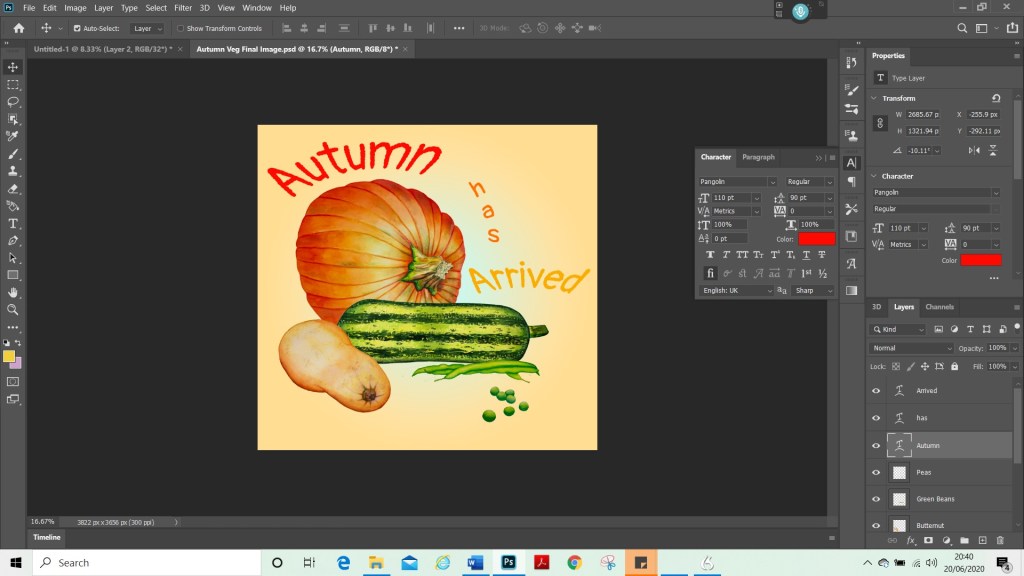
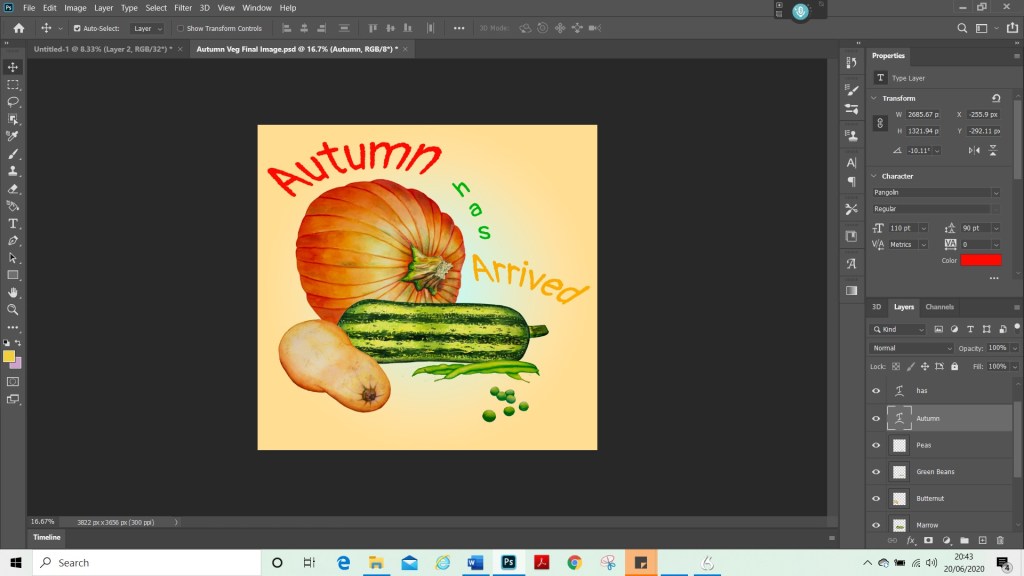
Once I had painted each of the vegetables. I then layered them to test roughly how they would look to see if it was going to work. I then started to photograph them and put them into photoshop as raw files. At this point I was mainly just removing the backgrounds and correcting the colours so that they matched the original colours. I edited each of the paintings individually 1st to remove the backgrounds and then I compiled them onto a 12 x 12 image and move them around to find a composition that I liked. I did struggle with this a little bit as I realise that perhaps I should have done the marrow on a slight angle as it looks a bit flat just being on the side. However, I found a composition that was not too bad and that is what you see below.

I then started to play around with background colour to try to find one that would not overpower my paintings. It took a little while as the colours I would associate with autumn that I would ordinarily have used were already in my painting. When I used a green or an orange, for instance, it did not enhance the image and I could not seem to find a contrasting colour that worked for this image. I eventually settled on the light peachy colour as this did not overwhelm the image.

I needed to find a way to fit some text into the empty space. There wasn’t quite enough space to have the text horizontally as this would have resulted in it being quite small. Therefore, I decided to try carving the text so that it fit with the shapes of the vegetables. I also wanted it to be clear and readable, so I did not want to go too elaborate.

For my final image above. I learned how to add shading on Photoshop, although I’m not entirely sure how successful that was, for this particular image, it is now a new technique that I have in my skill set that I can use for later projects.

Composition Sketch for my fruit painting

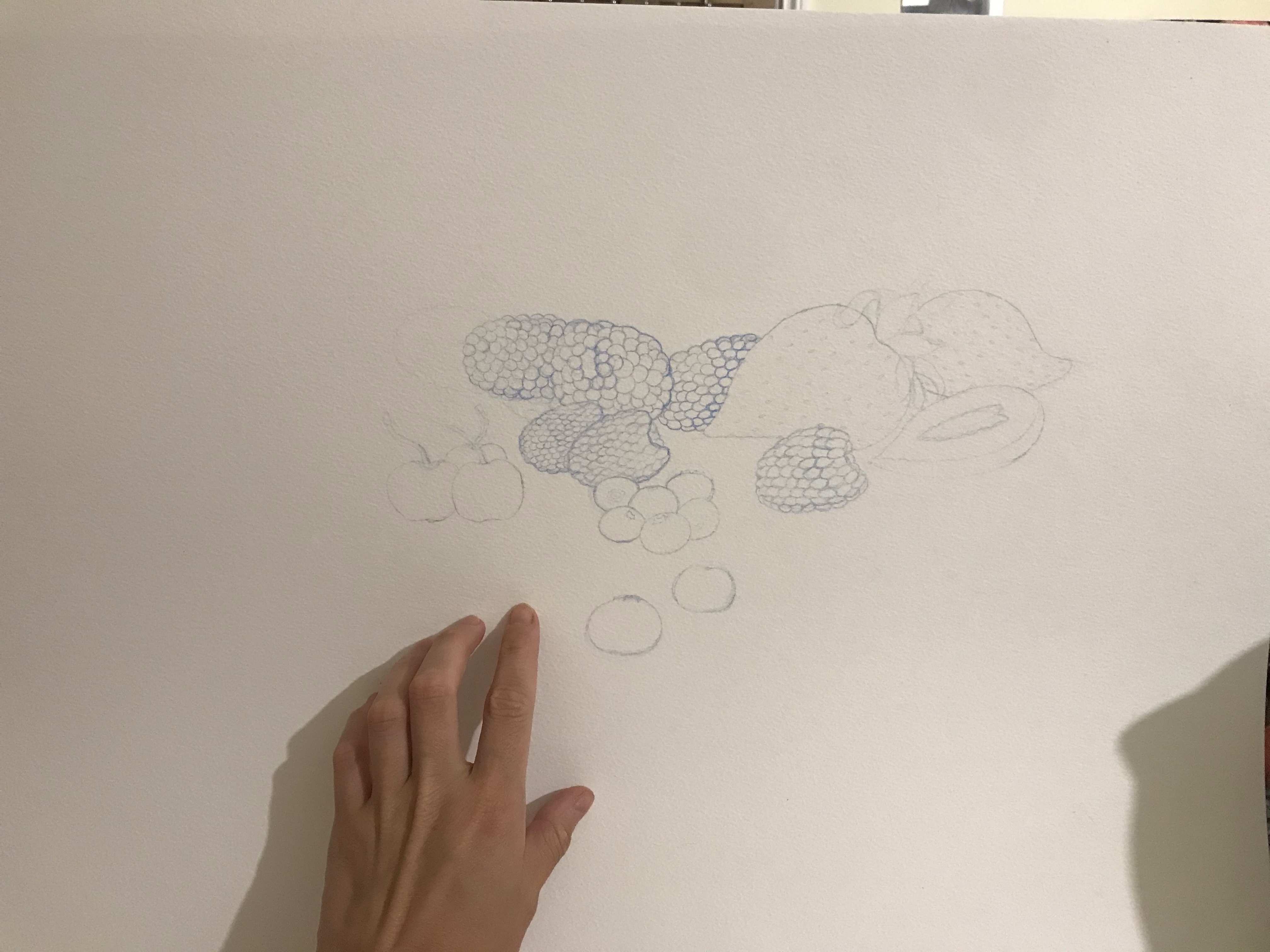
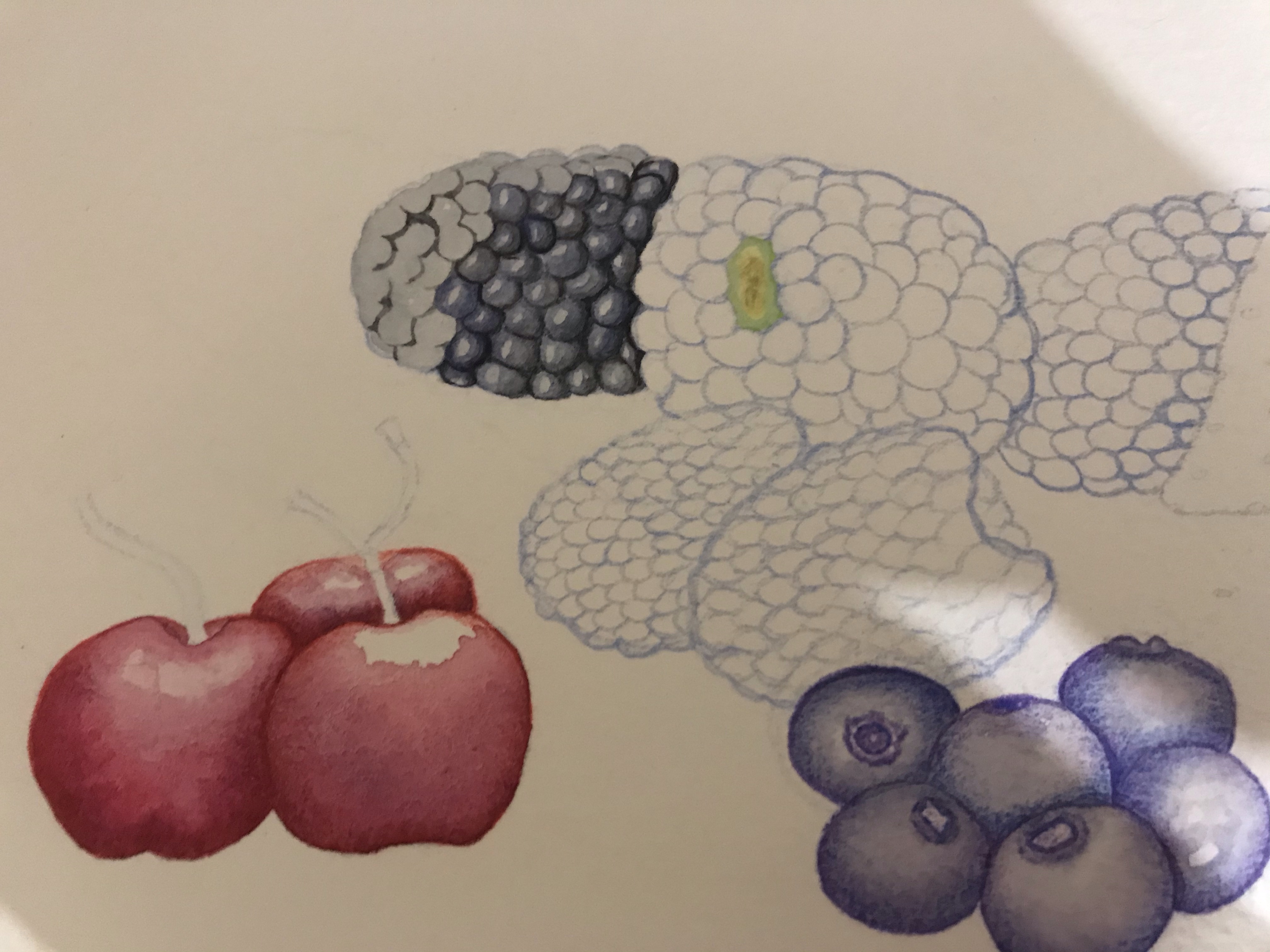
To get started on my Summer Fruits project, once I had collected all my research and did some tests, I started to sketch out a loose composition sketch to try to plan how my painting should look. Once I had done this, I used the reference material and moodboard. I had collected and begun a fresh sketch on A3 watercolour paper. For this I used a watercolour pencil, so that my colours did not become grey or muddy. Once this was done, I started to paint with acrylic inks as I had done with my vegetable paintings.

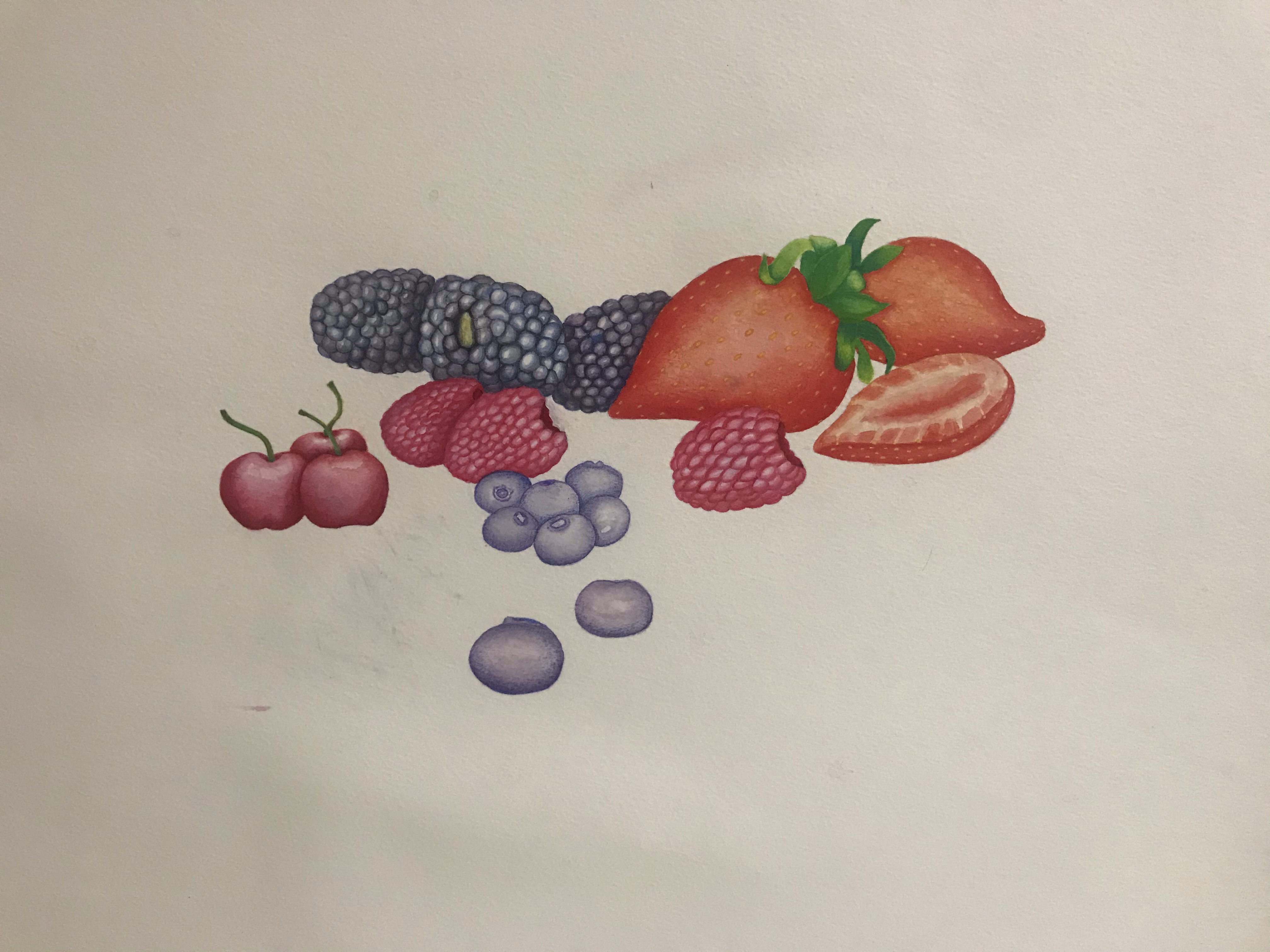
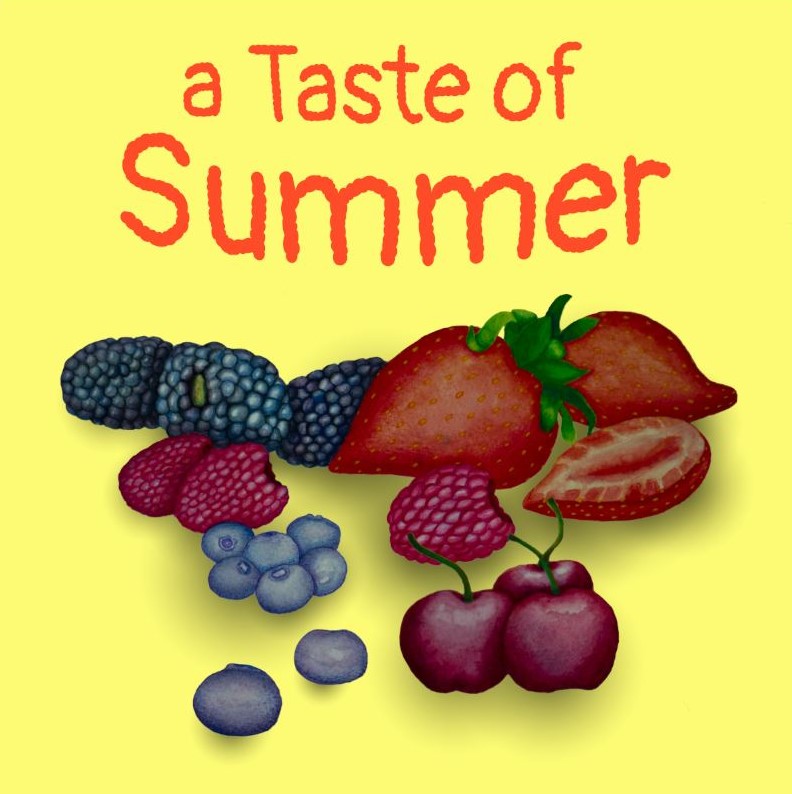
I decided to paint the fruit as one piece, rather than individually. I had hoped that this would save time, however, in the end, I think it took just as long as the vegetables did. Maybe even longer due to the fact that the objects were smaller, so the details were trickier to paint. The berries were generally much more time-consuming and difficult to paint and the vegetables, as it took some time to paint the blackberries, for instance, due to the nature of their make-up. I was trying to give them a 3D effect, however, I was not aiming for them to be realistic and was trying to strike a nice balance.

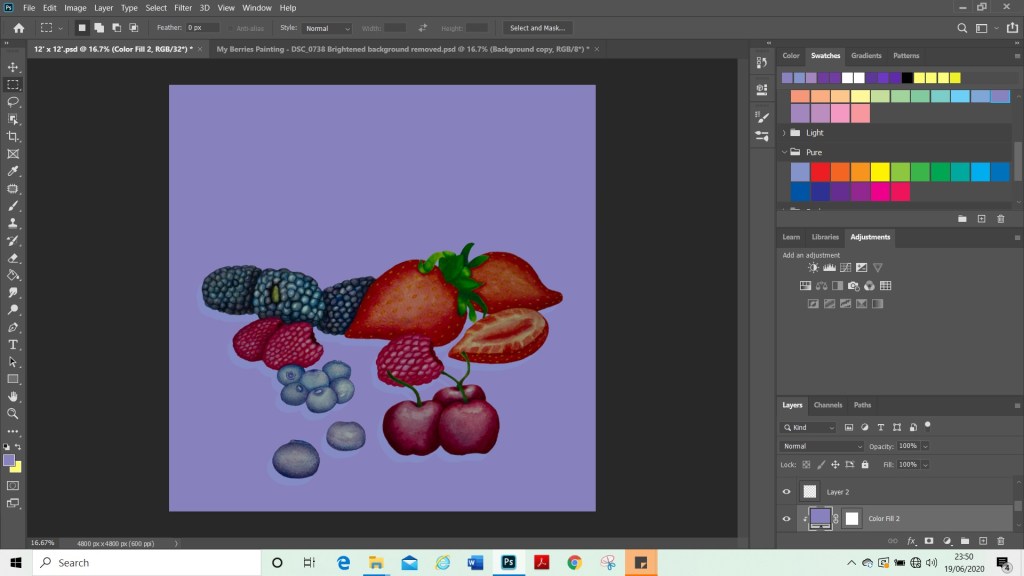
I had to change my composition a little bit once I had put it onto Photoshop because it was not going to work with the square, 12 x 12 format. I therefore moved the cherries so that they were in a different place. This also gave me the chance to resize them as I felt that they were a little small on my original painting.

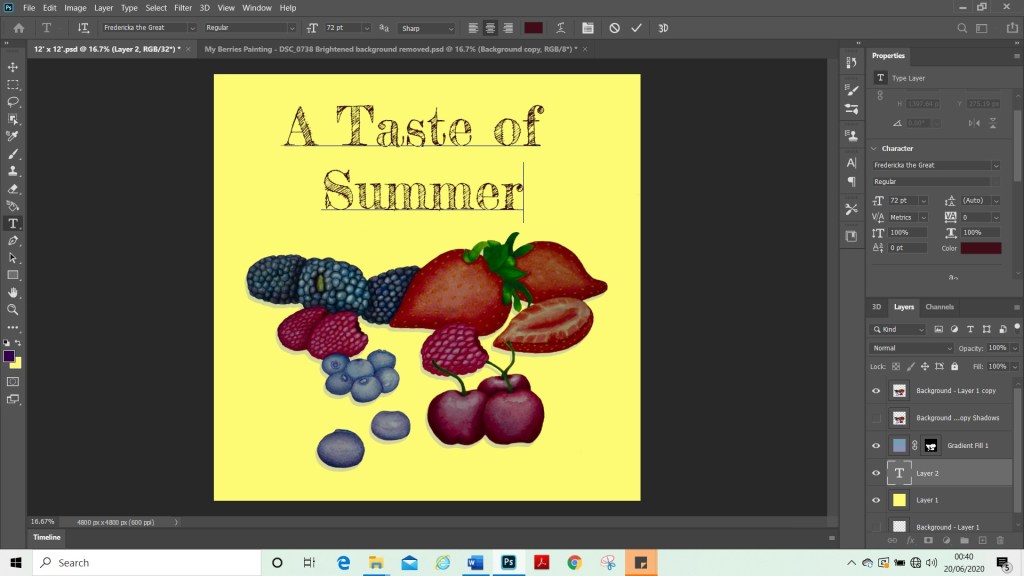
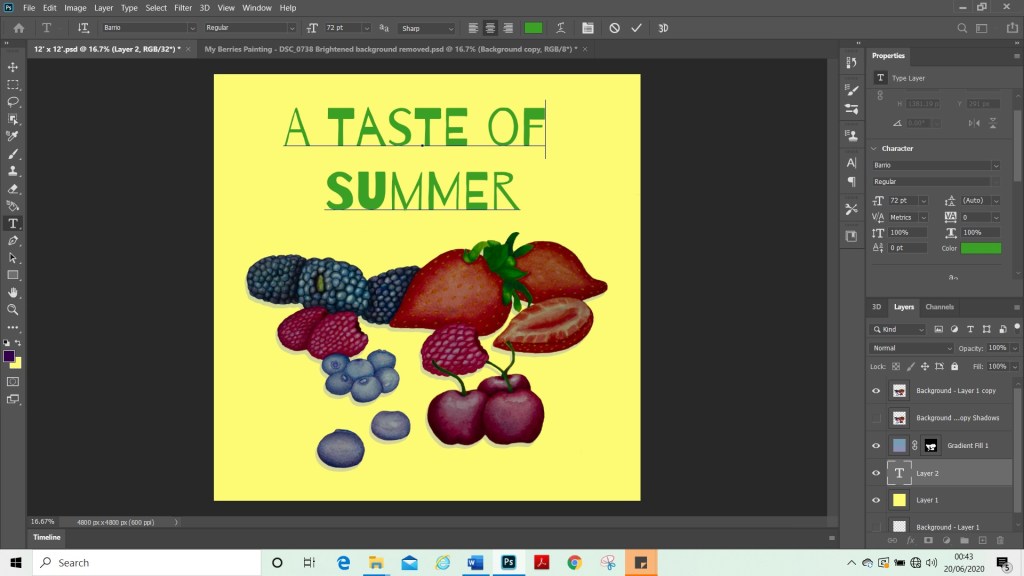
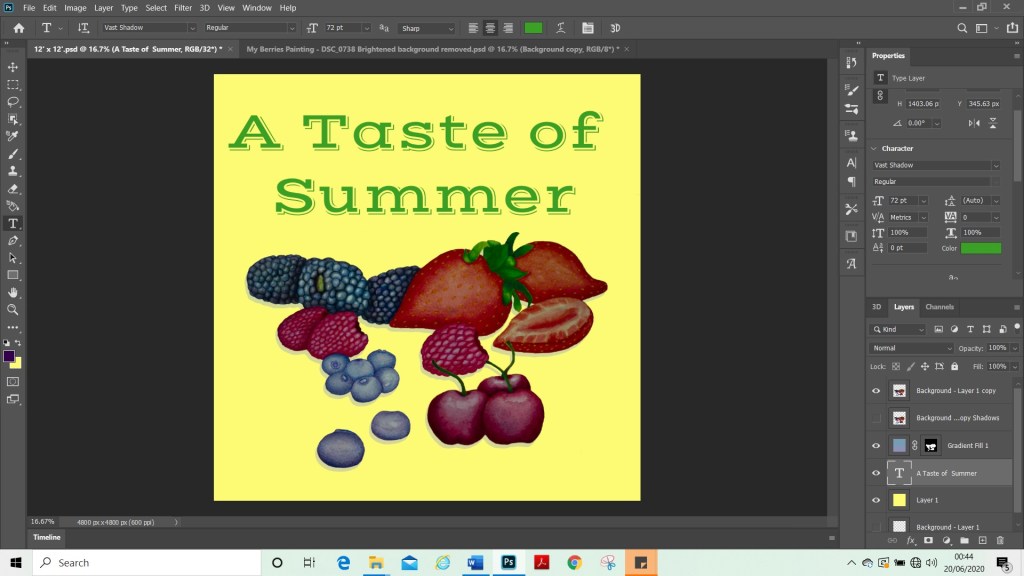
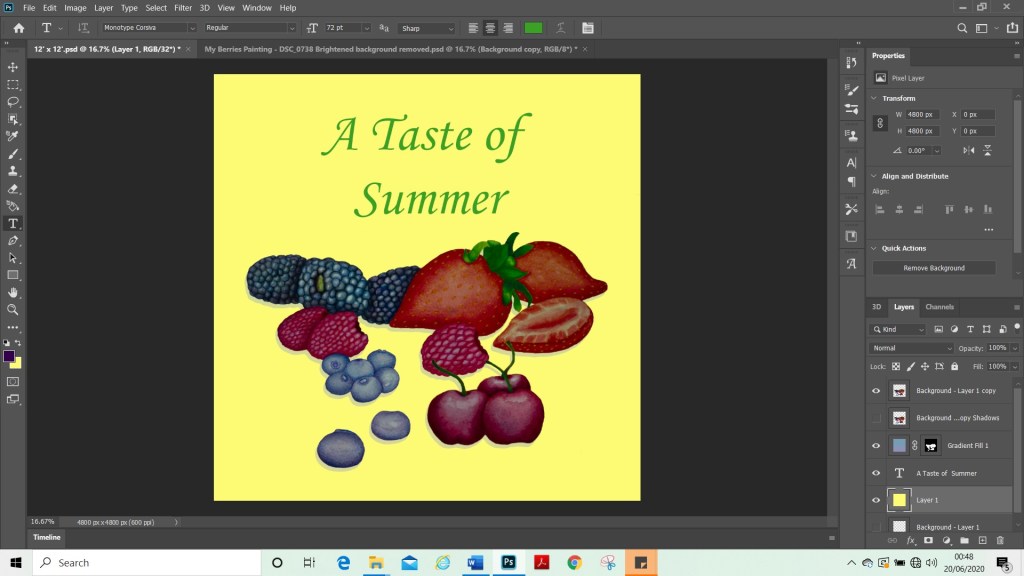
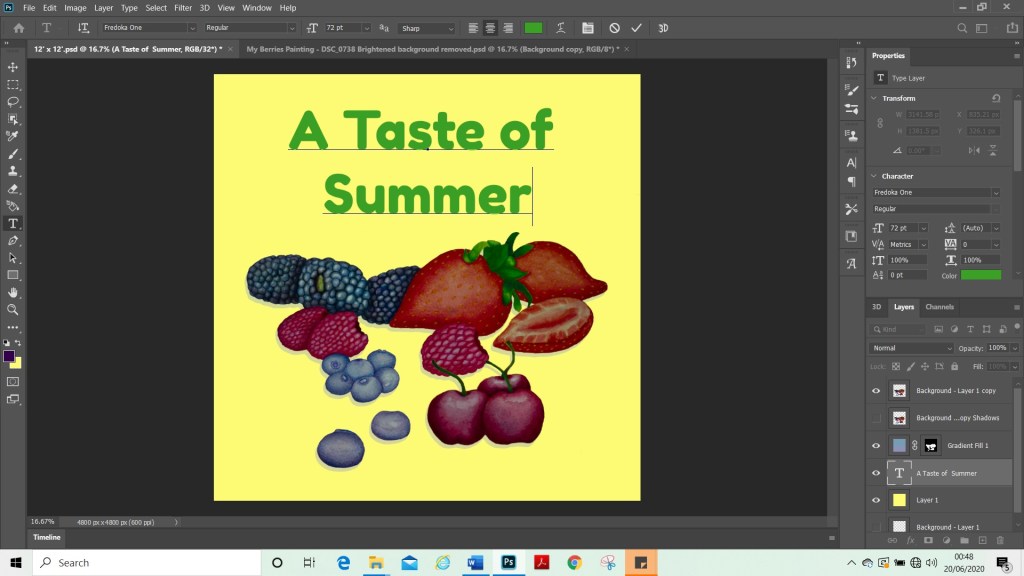
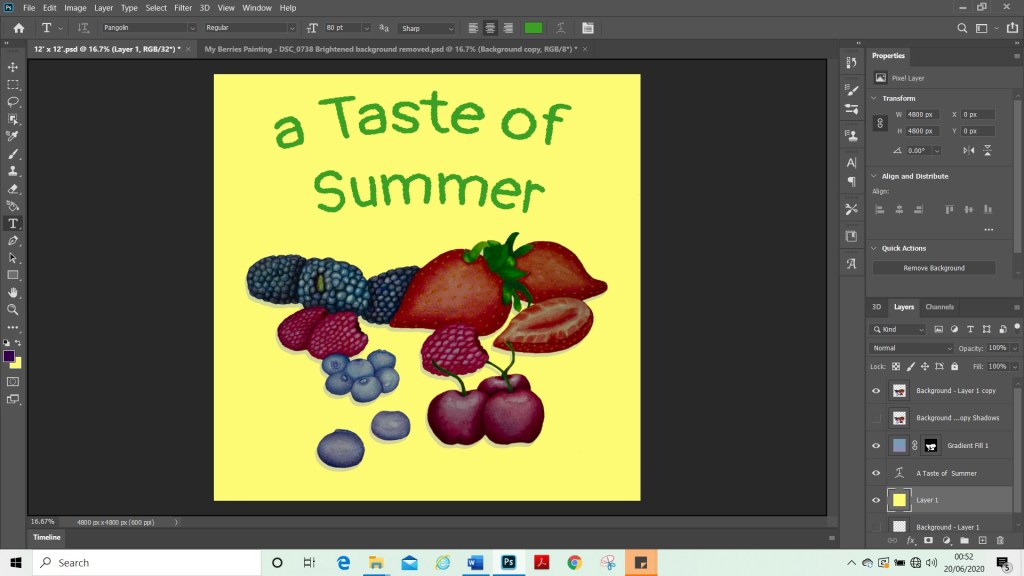
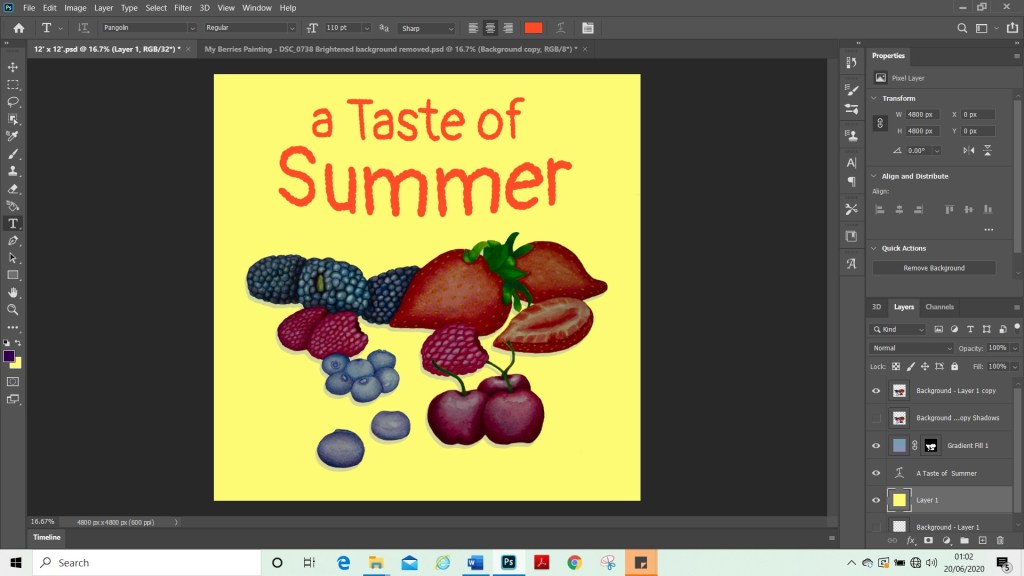
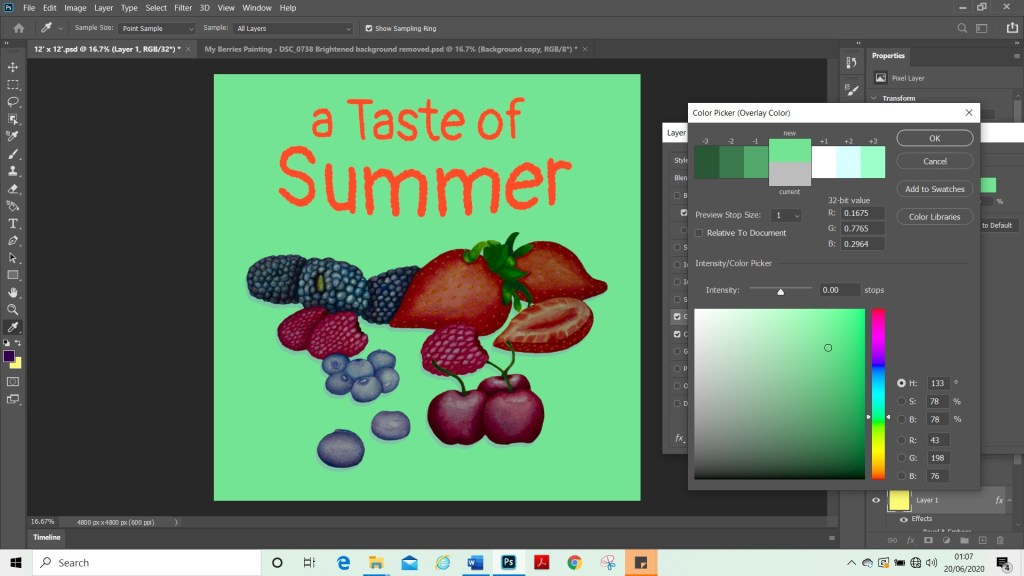
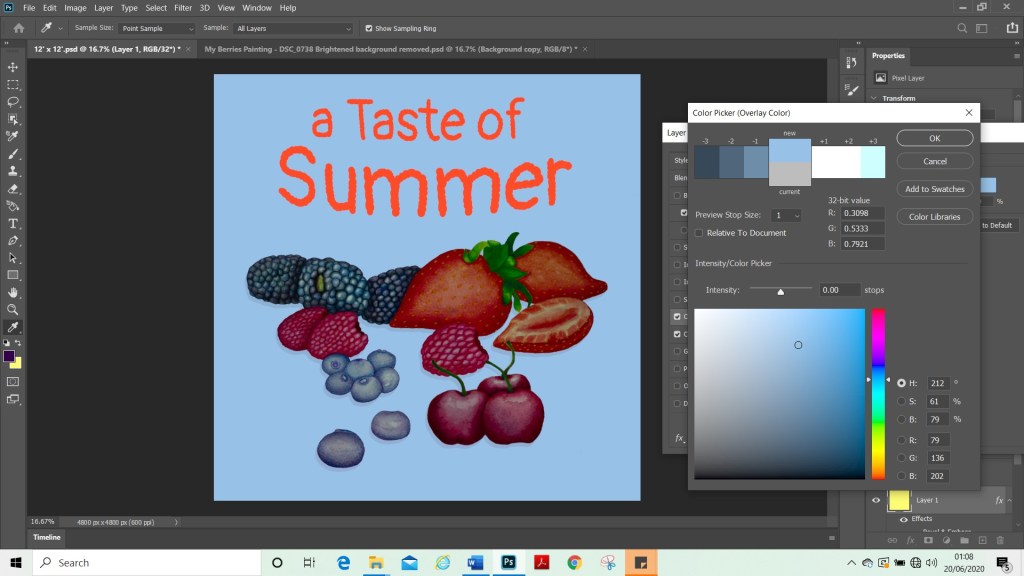
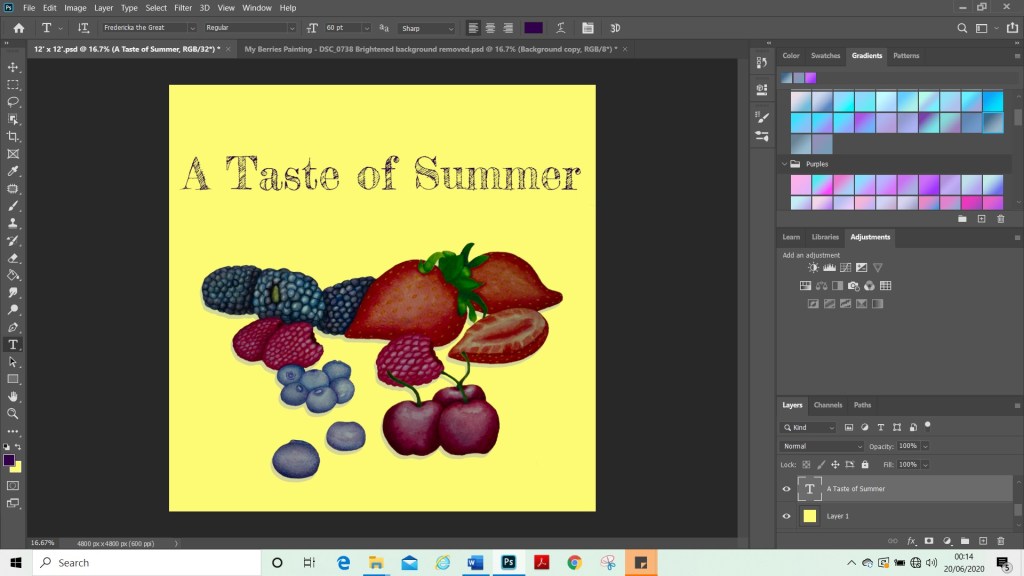
Once I was happy with my composition and had adjusted the colours to how I wanted them. I started to add a background layer and try out colours. I added the text and tried different fonts and sizes to see what would work alongside my image. I tried various colours and fonts until I found one that I was happy with. Above are some examples of these.

Final Image
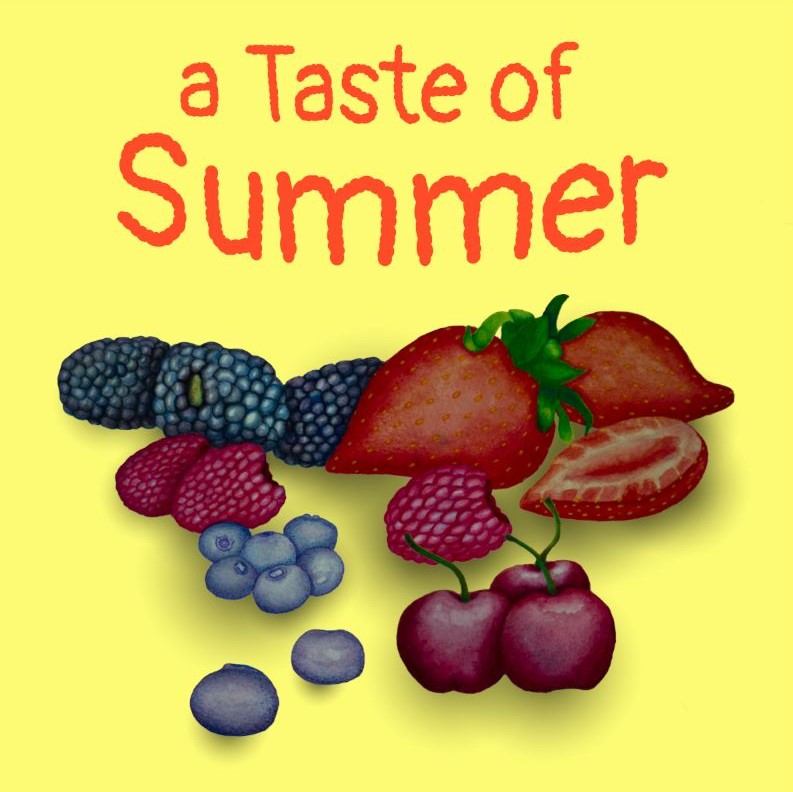
Final Image with lighter shadows

Reflection

For my final image. I added shadows in the same way I had with vegetables. This was to try to ground my painting so the berries did not like they were floating. I wonder if they would have looked better if they were a blue or purple colour rather than black shadows. I would have done this if I was painting them, but as I was following instructions and learning how to do them for the first time, I did not change the colour. I realised during this assignment that my computer does not have a good screen as I really struggled to see the shadows as I was adding them. And yet when I viewed them from another angle, they looked very heavy. Also, once I had transported my final image into another format and viewed it on my phone, the image background was a lot brighter than it had shown in Photoshop.

Overall, I am happy with my images and I feel that I met the brief. I did find this assignment challenging, as I am still new to Photoshop. Therefore, once I had put my images into Photoshop, I found that my skills limited my possibilities for what could be done with the final pieces. I am happy that I learnt some new techniques. I also learned my current limits (or some of them) for using Photoshop. I did try to use the 3D tool to create more interesting text. However, I was unable to do so as my computer could not run it and unfortunately just froze. On looking at my paintings. I am happy with how they look, in particular with the fruit. I really liked the biggest strawberry and I liked the way the blackberries came out. I did not manage to capture the juiciness of the berries which is something, perhaps, that is lacking in my image and could have improved it. This is something I could explore further with my painting and perhaps do some tutorials to learn how to do this.

Key Steps Part Two – In Summary

Key steps part two has been quite a challenge and I have enjoyed the exercises and doing this assignment. I have learnt many new skills and techniques, that I can now take on to other projects. I finally feel like I have found a pace for my course and feel like I am progressing. When I look back over the past two months I have done a lot of work in a short space of time and feel quite a sense of achievement about this. This makes me excited to continue on to part three and I am looking forward to the next set of challenges and opportunities for growth in my learning.
Key steps part two has been quite a challenge and I have enjoyed the exercises and doing this assignment. I have learned many new skills and techniques, that I can now take on to other projects. I finally feel like I have found a pace for my course and feel like I am progressing. When I look back over the past two months I have done a lot of work in a short space of time and feel quite a sense of achievement about this. This makes me excited to continue on to part three and I am looking forward to the next set of challenges and opportunities for growth in my learning.
This year and especially since my study trip to Lisbon. I have really immersed myself in my course and in OCA life. I have really enjoyed having a group of peers that I can talk to. This gives me a sense of community and support, and I do not feel isolated in my studies anymore. We keep in contact via a WhatsApp group and have a second Lisbon catch up session coming up with the tutors in August, which I’m looking forward to. The Lisbon students are from a mixed range of disciplines and I am the only illustration student amongst the group. I have been very inspired by their work and they have helped me to view art from different perspectives and not be scared to try new techniques and make a mess. I have also been participating in group sessions with OCA tutors, which have been very helpful and once again build a sense of community and help me connect with fellow students. I have been connecting with my fellow illustration students a lot more, this past month, which is very helpful and nice to feel like part of the OCA community and no longer just an impostor. (Now that I am actively studying.) I do struggle a lot with self-motivation and communicating with my fellow students and tutors has really helped me find motivation and purpose.

I do tend to struggle at first understanding the briefs and have to re-read some of them over and over and ask others how they interpret them, to see if I am understanding them correctly. This does cause me to hesitate on starting a project and I really have to push past my fear of failure and perfectionist tendencies. Although helpful in some instances, it does tend to hold me back.
I am finding, however, that now that I have processes in place. I find it easier to start projects, as I have steps that I can follow i.e. Research, moodboards and mind maps. These steps, stop me getting stuck procrastinating and mean that I know what I need to do to get started. Once I have started, I have no trouble continuing. It is just the initial starting of a project. I am happy that I am finding a way around this and I hope that this will continue to improve as time goes on.

Exercise: A subjective drawing

For this exercise I had to take an object and write a down a series of words to describe it. These words would need to describe its particular qualities. The object I chose was a glass of gin and tonic with fruit in it. The words I chose to describe it are; refreshing, fruity, bubbly, cold, wet, delicious.

We were then asked to choose one word from our list as the basis of our idea and explore the idea visually by making a mood board. Due to the Covid 19 lockdown. I have limited materials with which to make a mood board. However, I do have some travel magazines and National Geographic magazines left over from my last mood board. Therefore from these and also from searching the Internet, I managed to find the images I wanted for my board.

My chosen object

The word I chose to use for my moodboard was ‘refreshing’. I looked through magazines to find images that represented this word. Once I had finished with the magazines, I did a web search to find other images that I wanted for my board, such as the cucumber and mint leaves.

Working on my moodboard
My finished moodboard

Once I had finished my moodboard I started adding the colours, textures and materials identified during my exploration to my line drawing.

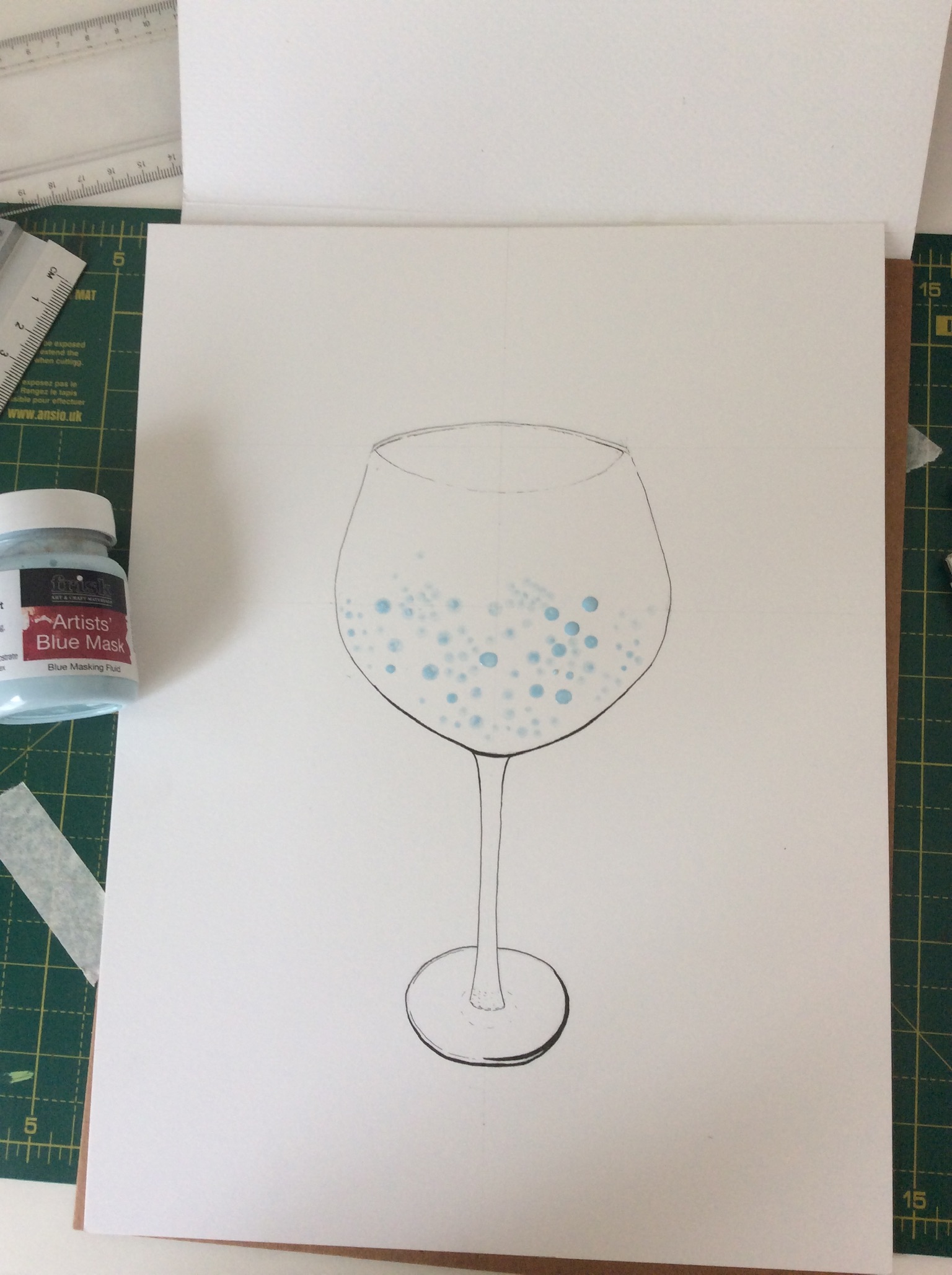
My line drawing

I used artists, masking fluid to keep the area where the bubbles were going to be clear and started to paint. I used Viviva Colorsheets to paint with as I love how vivid the watercolours are.
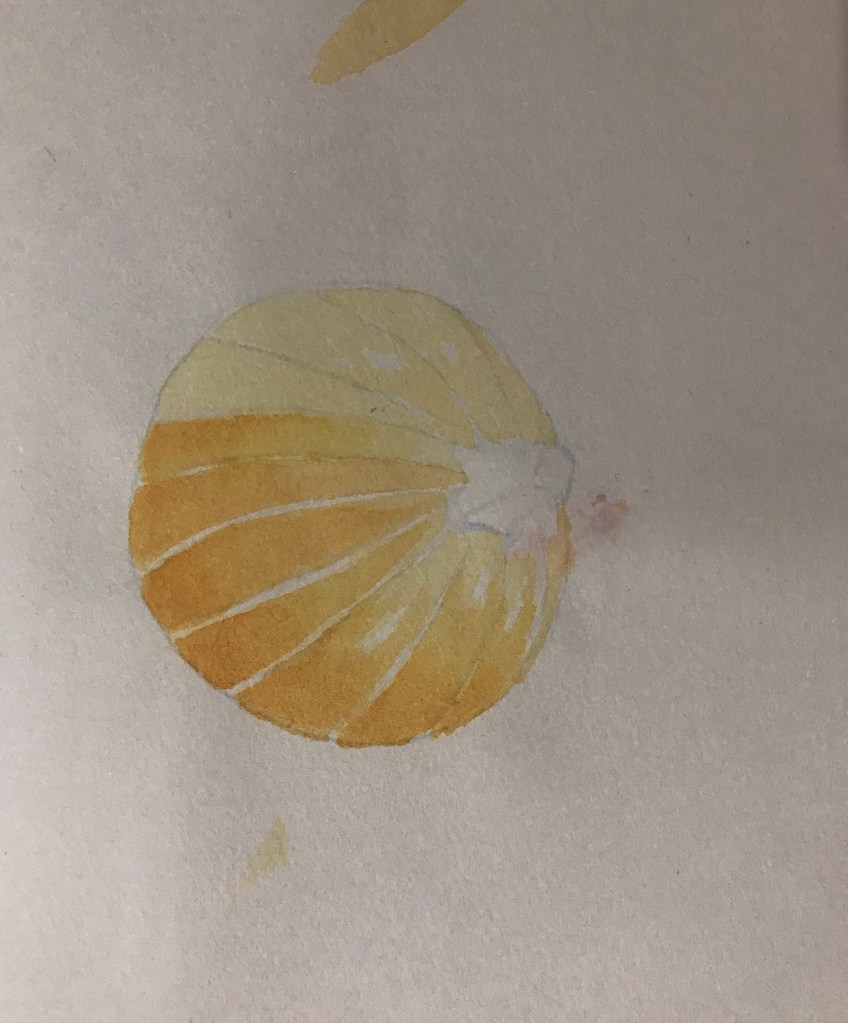
My Final Drawing

I am pleased with my final piece. There were many elements to this drawing that were new and experimental for me, such as drawing bubbles and painting in less realistic style’s. This was the also the first time I have used masking fluid. I liked the freedom that this exercise gave me to experiment, as the drawing was subjective rather than objective. Therefore, this was a fun exercise. The only thing I would have liked to incorporate which I did not, is to have the effect of condensation on the glass. I feel like this would have reinforced the idea of a cold, refreshing beverage. I think this would have been quite difficult to draw on a technical level, but is something that I would quite like to experiment with, to see if I can find a way of effectively communicating that.
Exercise: Using Reference

For this exercise I was asked to collect as much reference as I could find the 1950s. And to catalogue the information according to these categories:
People and costume
Architecture and interiors
Art – painting, drawing, sculpture
Graphic design – posters, books, typography
Advertising
Transport
Film and TV
Surface pattern and decoration.

The brief was to be eclectic in my sources identify the visual qualities that are universal within the categories – shapes, textures, colours, style and other features.

For my research I chose to concentrate just on 1950s Britain. In Britain, the 1950s was an era where the economy was recovering from the effects of world War one and two. Because Britain was badly damaged by bombing there was a housing shortage which led to many temporary and fabricated houses being built. These were designed in a way that would be quick and easy to build and were pretty simple in design. As the economy grew, people were able to start purchasing items again which led to an booming industry of furniture, appliances and other household items. The 1950s style is quite distinctive from the hairstyles of the men and women, to the outfits that they wore which includes the nipped in waist and A-line skirts of the women and the rounded shapes of household furniture and appliances. Interestingly, one of the popular patterns on fabric that was used to make dresses and curtains etc. was that of the symbol of the atomic bomb.

The 1950s style once again become quite popular in recent years. This includes the rounded style of kitchen appliances and vintage furniture from the 1950s that would be repainted in pastel colours. There is a tendency to relate pastel colours to the 1950s however, from my research I found that this was not actually the case. The colour palette was actually more similar to that of the 1970s with the majority of the furniture including sofas and fabrics being in muted dark colours like Forest Green, dark red and dark blues with brown wooden flooring seeming quite common. In the 1950s they did however seem to like using bright colours, particularly in the kitchen with an example being where a bright blue would be used as the main colour for the work surface, with a matching table top and even matching tiles on the walls.

To go with my research I was asked to make an illustration of someone sitting in a chair surrounded by typical artefacts to give a teenager an idea of the 1950s. For my illustration I chose to draw a man sitting in a chair reading a newspaper, with a cup of tea and a cigarette besides him. Cigarettes were very popular in the 1950s and were even considered to have health benefits. I tried to keep the style of the room in keeping with the 1950s style of furniture and colours used for furniture. Behind the man we can see a doorway in which there is a woman (his wife) who is busy in the kitchen. Although women did work during the war due to necessity, once the war ended so did their careers and they went back to their wifely duties as before. Men were considered the providers and worked and provided income for the household and family. Women on the other hand were expected to care for their husband and the children and take care of the home, this included all cooking and cleaning. My aim was to reflect these gender roles within my illustration as this is a big contrast to how things are in the present day with gender roles.

In order to file my research I created folders on my computer for each of the topic headings and searched on the internet and on various online libraries, including the OCA library and the bridgemen library. Unfortunately my laptop broke a few days after I finished my research so although I had luckily backed up my documents before hand, I am missing the last few days of my research. I did however have the research to hand whilst I was planing out my illustration and drawing the initial pencil drawing. I also had my sketchbook to hand where I had already drawn and been experimenting with the colours I wished to use. At this time, I am writing from my new laptop and am presenting what I have of my research.

Someting I learned from this project is that I need to find a new way or software to keep my research that I am able to label individual images and keep those images on seperate files. For this project, I used a word document for each heading. But I realised that this is not going to be easy to find individual images when I need to go back and use this reference libray I was trying to create. I would also like to keep building on this library to create a vast reference base for all future work.

Work in Progress…

My finished Piece

I am quite pleased with how this turned out. I have not had a lot of practice drawing rooms and using perspective in this way, so it started with a bit of trial and error. I used watercolour and gouache to paint this. Paiting is a new medium to me and is one that I am gradually learning. I chose not to use ink on this piece as I wanted to tey to emphasise objects by using more contrast in my painting. I realised that I would like to start to learn how to deplict lighting in my work, be that from lamps or natural light and shadows and also how to paint faces and clothing. This is something that I would like to develop further with my study.